

Before buying temporary tattoos, check the product type, skin-use boundaries, design fit, application instructions, wear expectations, removal plan, and whether the sheet actually supports the look you want. A good temporary tattoo order is not just the prettiest design. It is the design that matches your skin area, event, outfit, and realistic wear conditions.
A Quick Judgment Table Before You Buy
If you are close to ordering, use this checklist before comparing more designs. It keeps the decision practical and prevents a pretty product photo from carrying all the weight of the purchase.
| Check before buying | Why it matters | Where to go next |
|---|---|---|
| Product type | Water-transfer tattoos, henna-inspired stickers, pens, and longer-wear products are not the same thing. | Read the product page and ingredient or material notes. |
| Skin area and design scale | A design that looks clear on a flat product image may need enough uninterrupted skin space to read well. | Use the design and placement guides before buying. |
| Wear situation | Friction, soaking, sunscreen, clothing, and heavy sweating can change the best-looking window. | Check longevity and water-resistance guidance. |
| Skin boundary | Temporary tattoos belong on clean, dry, intact skin. Sensitive or reactive skin needs a more careful decision. | Use the safety guide before ordering. |
| Sheet format | A multi-motif sheet can support several small accents, while a single statement design asks for one stronger placement. | Browse the Shop once the role of the design is clear. |
First, Confirm What Kind of Temporary Tattoo You Are Buying
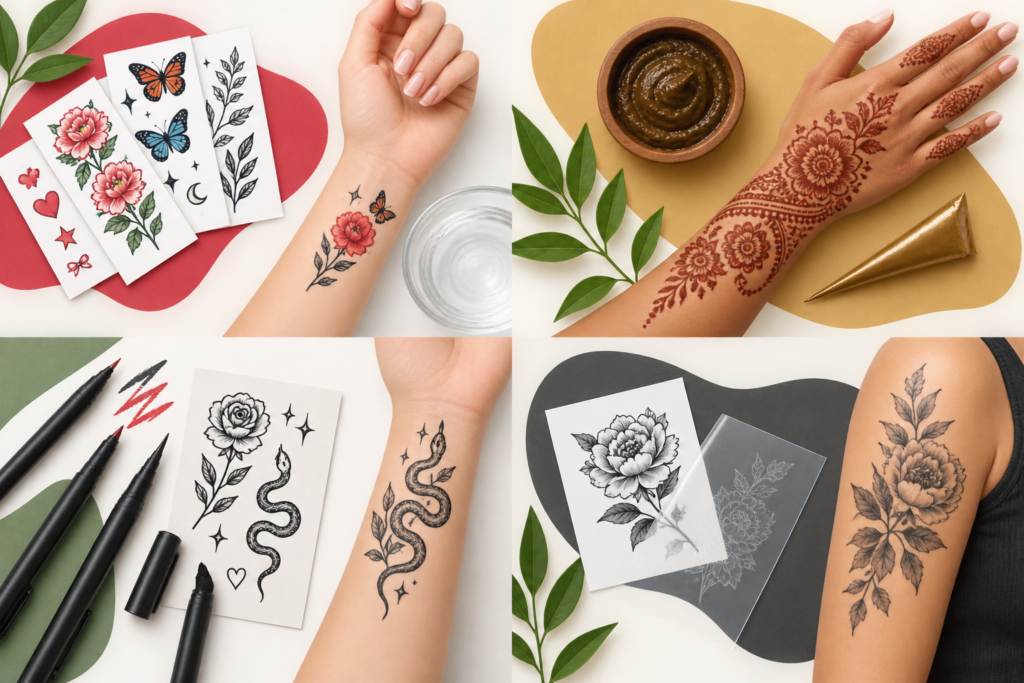
The first purchase check is product type. Beauty of Papers focuses on ready-made water-transfer temporary tattoo stickers for adult styling. That matters because the buying decision is different from choosing natural henna service, drawing with a tattoo pen, or comparing semi-permanent body art products.
Water-transfer temporary tattoos are applied from a sheet with water and pressure. Henna-inspired water-transfer stickers can borrow the look of ornamental henna patterns, but they should not be treated as natural henna paste or a salon service. The distinction matters for expectations, safety language, removal, and how the design will behave on the skin. The FDA’s temporary tattoo and henna fact sheet is a useful authority source for keeping decal-style temporary tattoos, henna, and black henna concerns separate.
When the product page is not clear about what the item is, slow down. The safest buying question is not “Does this look good?” It is “Do I understand what this product is, how it is applied, and what claims the seller is actually making?”
Check the Design Role Before You Check the Design Detail
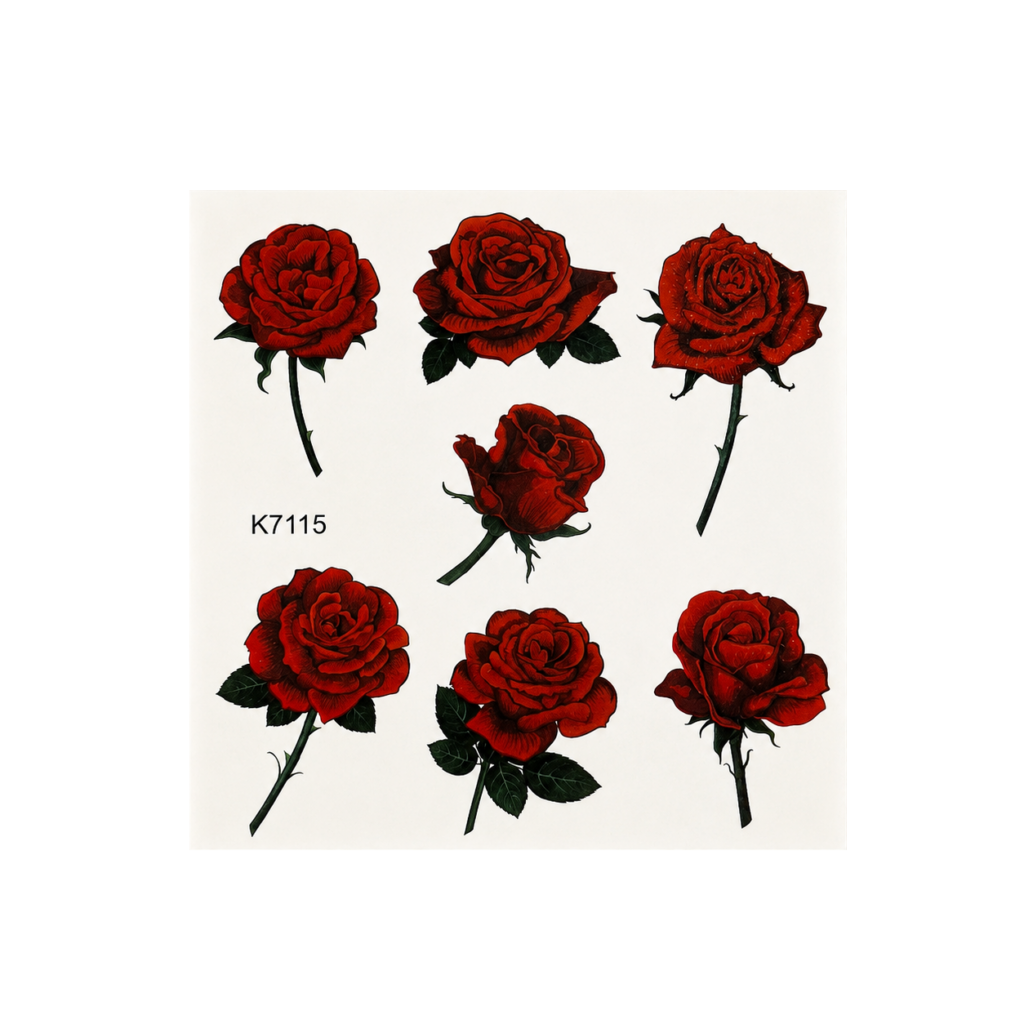
A temporary tattoo can play several different roles in a look. It can be a single statement, a small accent, a jewelry-like detail, a floral softener, a party element, or a try-before-placement tool. The design role should come before the final motif choice because it affects size, placement, outfit balance, and which product category you should browse.
If you have not chosen the broad style yet, start with the temporary tattoo design guide. That page owns the broader design-choice job. This buying checklist is narrower: it helps you check whether the product you are about to buy fits the job you already have in mind.
Ask one direct question: should the tattoo be noticed first, or should it support the rest of the styling? A bolder metallic band, larger floral motif, or dark graphic design can act as the first visual point. Smaller accents, scattered botanical details, and lighter decorative pieces usually work better as a supporting layer. If the product role is unclear, the order may still be premature.
Match the Design to the Skin Area, Not Just the Product Photo
Product photos are useful, but they do not solve placement for you. A design needs enough readable space on the body. A narrow wrist, curved ankle, collarbone area, shoulder, or forearm can change how large, dense, or directional a temporary tattoo feels once it is worn.
For general body-area decisions, use the best places to put a temporary tattoo guide. If you are using a temporary tattoo to preview a future permanent placement, use the try-before-placement guide. This article should not replace either owner. It simply asks whether the item you are buying makes sense for the skin area you have in mind.
Look for three fit signals before buying. First, the design should have enough room to be read as one clear shape or a deliberate set of accents. Second, the placement should not be constantly interrupted by cuffs, straps, tight jewelry, or clothing edges. Third, the direction of the motif should make sense from the angle people will actually see it.
Check the Wear Situation Before Trusting a Wear Promise
Temporary tattoo wear is conditional. Clean application, dry skin, skin texture, friction, soaking, sunscreen, towel drying, tight clothing, and heavy sweating can all change how good the tattoo looks over time. A buying page may describe general wear expectations, but your real event can be harsher than a product description.
For water, pool, shower, and sunscreen questions, use the water-resistance guide. For broader wear-time habits, use the longevity guide. Before ordering, translate those guides into your situation. A tattoo for a one-night outfit, a vacation, a dance event, and a photo session may all need different levels of visibility, friction tolerance, and backup planning.
The practical rule is simple: buy for the best-looking window you need, not the longest possible claim you can find. If the tattoo only needs to look crisp for photos, a different design or placement may work than if you need it to survive a long day of clothing friction and repeated water contact.
Check Skin Boundaries and Ingredients Before You Treat It Like a Casual Sticker
A temporary tattoo is decorative, but it still sits on skin. Buy it with the same basic caution you would use for any skin-contact cosmetic-style item. Use it only on clean, dry, intact skin. Avoid broken, irritated, sunburned, freshly shaved, or reactive areas. If you have sensitive skin, allergies, or a history of reactions, treat that as a buying condition rather than an afterthought.
The broad Beauty of Papers safety owner is Are Temporary Tattoos Safe?. For material questions, the temporary tattoo ink and ingredients explainer is the better place to go deeper. This checklist should not make medical guarantees. Its job is to keep the purchase from moving forward until the buyer has checked the right safety and product-information pages.
Before buying, look for application instructions, removal guidance, age or skin-use warnings, and any ingredient or material information the seller provides. If those details are missing or the product makes extreme safety promises, that is a reason to pause.
Check Whether the Sheet Format Supports the Look You Want
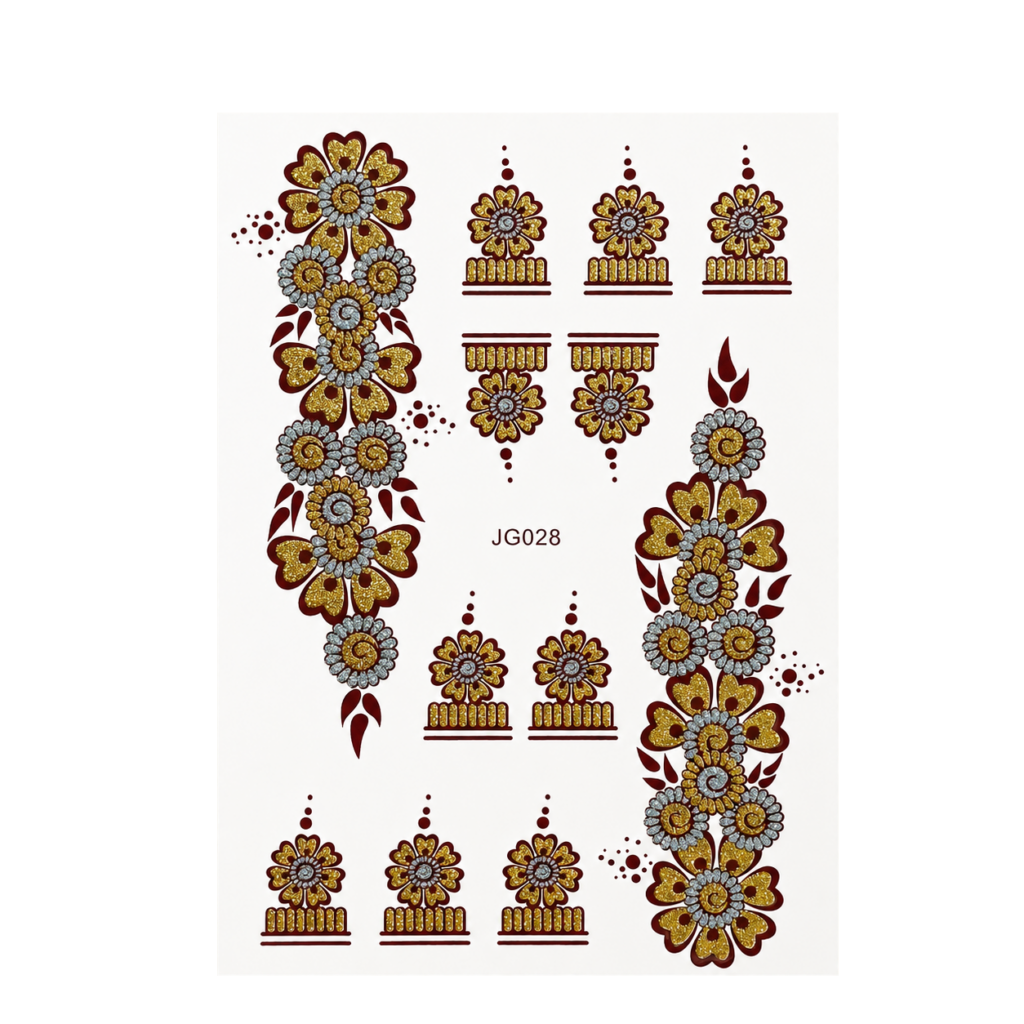
Temporary tattoo sheets can behave very differently. Some are built around one strong motif. Others include several smaller pieces that can be used as separate accents. A sheet with multiple designs can be useful if you want a wrist accent, collarbone detail, ankle detail, or a small group of related motifs. A more dominant design is better when the tattoo should act as the main visual element.
Do not assume every sheet can do both jobs equally. A large motif may not divide cleanly into smaller accents. A sheet of smaller motifs may not create the same impact as one statement design. If you are deciding between one focal tattoo and several small accents, read the composition guide before choosing the final product.
This is also where cutting and application expectations matter. If a sheet includes separate designs, you may need to cut around the design you want before applying it. Keep the trimming practical and do not cut into the artwork. For the full transfer workflow, use the temporary tattoo application guide instead of relying on memory.
Check Price and Value After the Fit Is Clear
Price should not be the first filter if the product type, skin area, and use case are still unclear. A cheaper sheet is not good value if the motif is too large for the placement, too small for the outfit, or the wrong style for the event. A more expensive-looking option is also not automatically better if it carries claims or design details you do not need.
Use the temporary tattoo price guide for the deeper price and value discussion. In this checklist, the buying rule is simpler: compare price only after you know the product type, design role, placement, and event expectation. That order keeps the decision grounded in fit instead of impulse.
Where to Shop After the Checklist
Once the checks are clear, move into the right commercial page. If you still want broad browsing, start with the temporary tattoo Shop. If the look should feel reflective, jewelry-like, or party-ready, browse metallic temporary tattoos. If the look should feel softer, botanical, romantic, or motif-led, browse floral temporary tattoos.
The best temporary tattoo to buy is the one that passes the checklist before it reaches your cart. Know the product type, match the design to the body area, check the wear situation, respect skin boundaries, understand the sheet format, and then compare value. That order gives the purchase a better chance of looking intentional when it is actually worn.
What the guide images show
Key visual information is repeated below as text so the design, scale, placement, and process do not depend on images alone.
- Real Beauty of Papers product sheet shown for design-fit checking; exact placement and wear outcomes remain product-specific.
- Editorial illustration separating temporary tattoo product types to check before buying.
- Beauty of Papers red rose temporary tattoo sheet shown as a real product example for design fit checks.
- Beauty of Papers metallic ornamental temporary tattoo sheet shown as a real product example for sheet format checks.