
Quick Answer: Are Temporary Tattoos Waterproof?
A water-transfer temporary tattoo may tolerate brief everyday water contact after it has transferred cleanly and dried, but “waterproof” is not a promise that every design will survive soaking, rubbing, oil, or every special finish. A shower, a swim, sweat, and rain each combine water with different amounts of heat, time, friction, and skin-care products. Check the directions for the exact product, then protect the printed surface from rubbing and oily products if you want it to stay crisp.
| Situation | What usually matters | Best next step |
|---|---|---|
| Shower | Heat, scrubbing, loofahs, and towel friction | Follow the product directions, keep washing gentle, and pat rather than rub |
| Pool or swimming | Longer soaking, chlorine or salt, swimsuit friction, sunscreen, and towel drying | Expect more wear than from a quick shower and use the chlorine guide for the detailed keep-or-remove decision |
| Sweat or rain | Repeated wiping, tight clothing, straps, and movement | Reduce friction and blot moisture instead of rubbing |
| Towel, sleeve, or strap contact | Mechanical wear at the printed edge | Choose a lower-friction placement and stop picking at lifted edges |
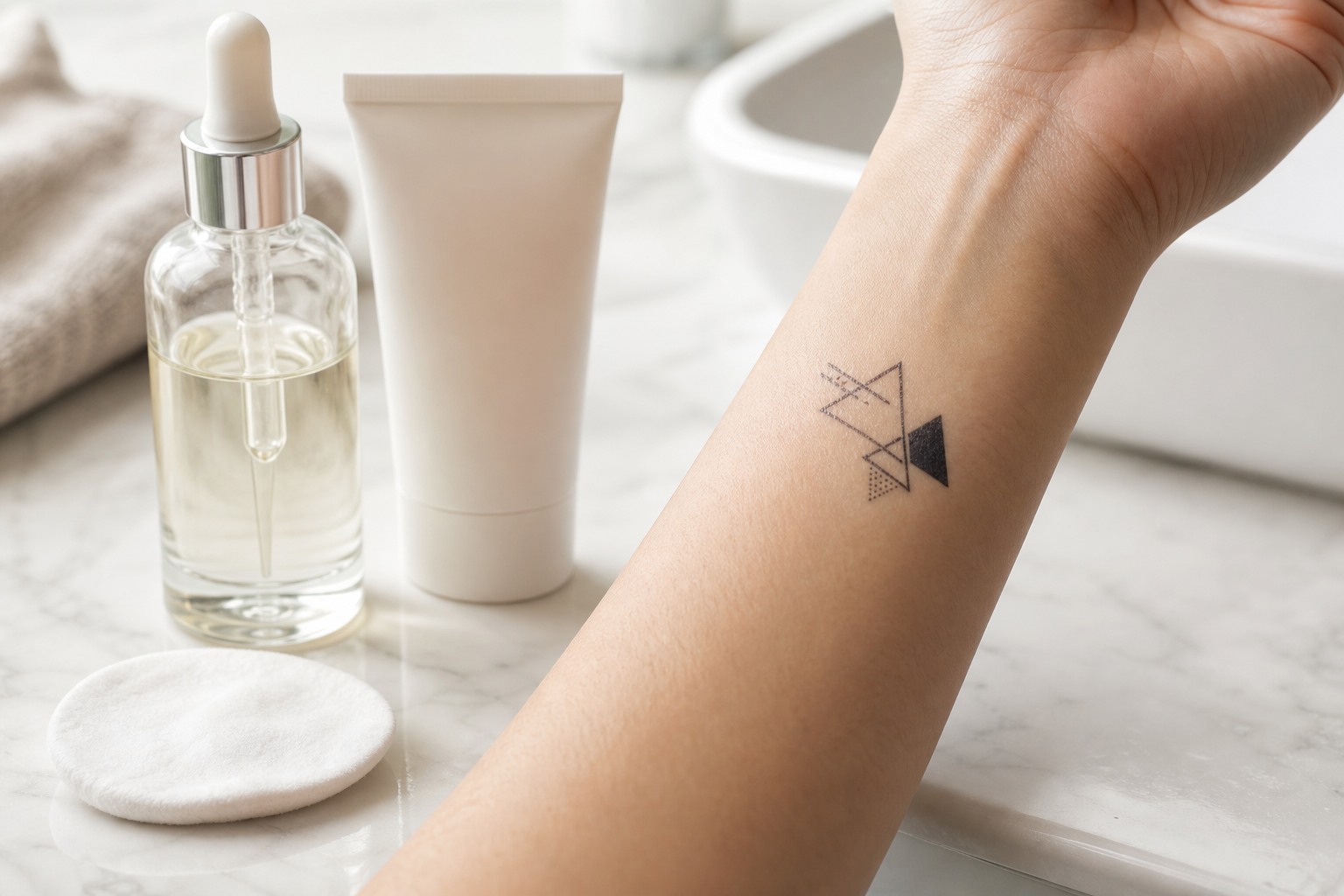
| Oil, lotion, or sunscreen | Oil can loosen a surface decal; rubbing adds more wear | Protect your skin as directed, apply products gently, and accept that direct oily contact may shorten wear |
| Metallic or special finish | The decorative surface may be more delicate than a flat print | Use the most conservative care and avoid treating the finish as a durability guarantee |
Can You Shower With a Temporary Tattoo?
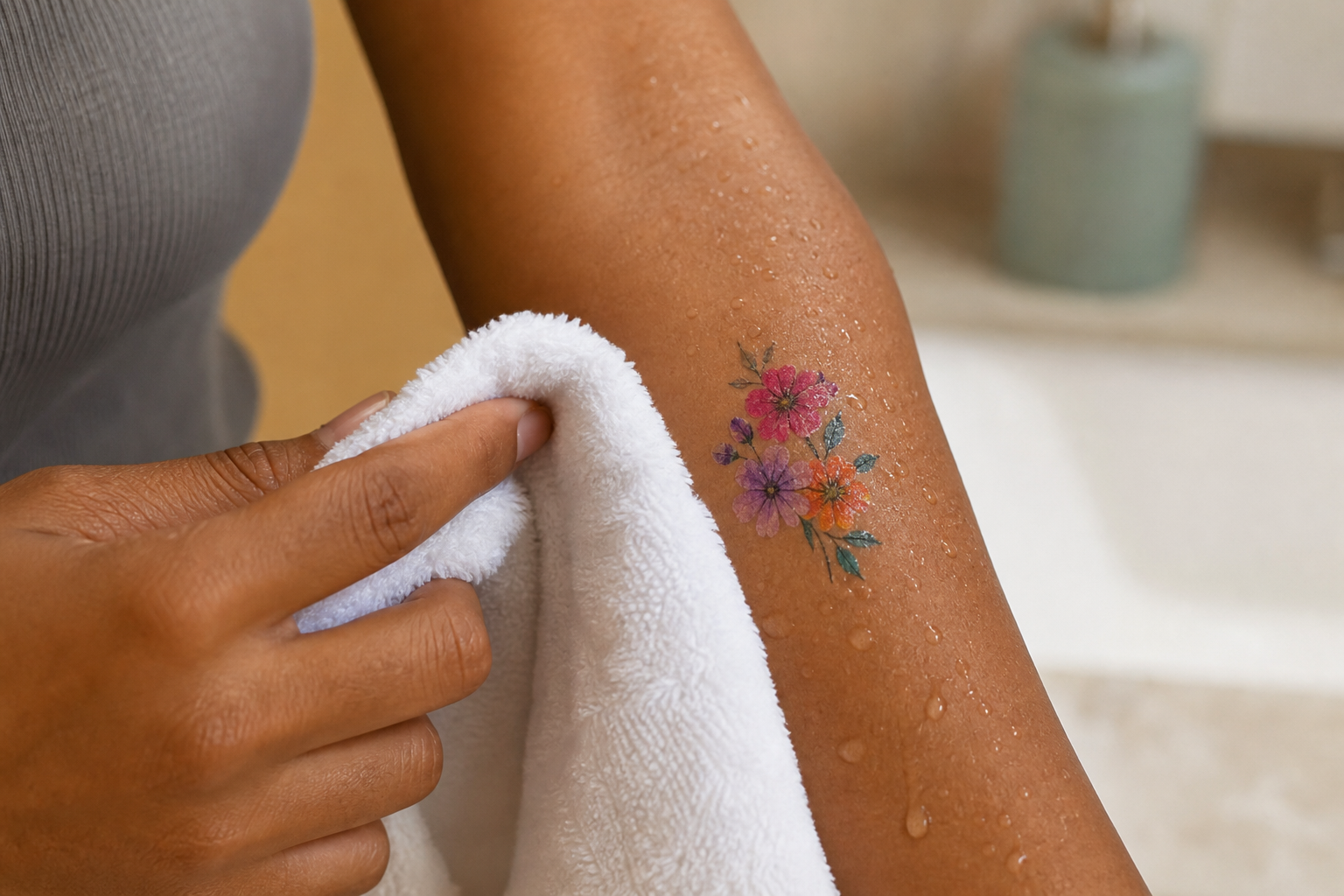
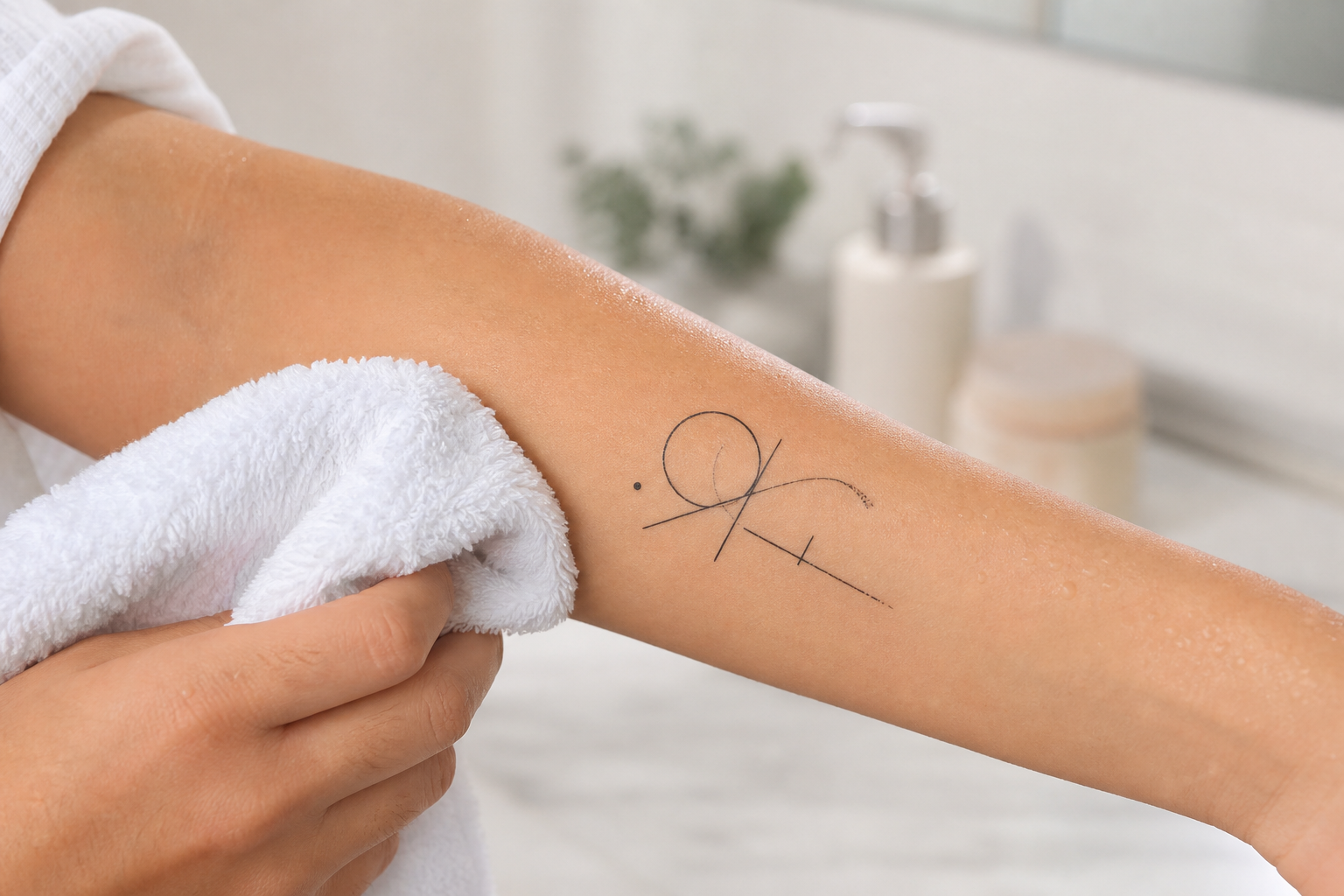
Usually, a completely dry water-transfer tattoo can handle a brief, gentle shower better than it can handle scrubbing. Let water pass over the area, keep loofahs and exfoliating cloths away from the design, and pat the area dry. The towel matters: wiping back and forth can catch an edge or abrade the printed layer even when water alone did little damage.
There is no single shower rule for every temporary tattoo. A product with a flat printed finish may behave differently from a metallic or other special-effect design. Follow the directions supplied with the exact sheet, especially if they specify a setting period or other care instructions.
Can You Swim With a Temporary Tattoo?
Swimming is a harder test than a quick shower because it adds time in the water, movement, swimwear, sunscreen, and towel drying. Pool chemicals and salt water also make the situation different from ordinary tap water. A design may remain visible after a swim and still lose sharpness at the edges or across a delicate finish.
If the tattoo is part of a pool-day or vacation look, apply it according to its instructions and give it time to become completely dry before the activity. After swimming, avoid rubbing it with a towel. For the more specific question of whether chlorine will fade a design or help remove it, read Will Chlorine Remove Temporary Tattoos?.
How Long After Application Before Getting It Wet?
Wait until the transfer is completely dry and no longer tacky, then follow any additional timing printed on the product backing or product page. Beauty of Papers does not use one universal minute count for every design or finish.
The wet cloth used during transfer is part of application; showering or swimming afterward is a different kind of exposure. If you still need to remove the clear sheet, wet the backing evenly, or lift the paper without sliding the design, use the step-by-step temporary tattoo application guide before planning the first shower.
Sweat, Rain, and Everyday Water Exposure
Light rain or sweat does not always ruin a dry temporary tattoo. The more useful question is what happens next. Wiping sweat with a sleeve, trapping the design under a tight strap, or repeatedly touching warm, damp skin can create more visible wear than the moisture itself.
For a workout, festival, or long day outside, choose a placement away from waistbands, watch bands, bag straps, and tight seams. Blot or pat moisture when possible. If an edge begins to lift, do not pick it; use the peeling and half-transfer guide to decide whether the design can be tidied or should be removed.
Why Rubbing and Oil Can Matter More Than Water Alone
A classic decal temporary tattoo is a printed layer on the surface of the skin. It is not embedded like permanent ink. Anything that repeatedly abrades or loosens that layer can make it look dull, cracked, patchy, or lifted.
Common sources of wear include:
- rubbing with a towel, loofah, or scrub;
- tight sleeves, socks, shoes, waistbands, and accessory straps;
- scratching or picking at the edge;
- body oil, cleansing oil, or oily makeup remover;
- repeated application of thick lotion or balm directly over the design.
Oil is commonly used to help remove a standard surface decal, which is why it is a poor choice when the goal is longer wear. For a full removal decision, including how product type changes the method, use How to Remove Temporary Tattoos.
Metallic Temporary Tattoos and Finish Care
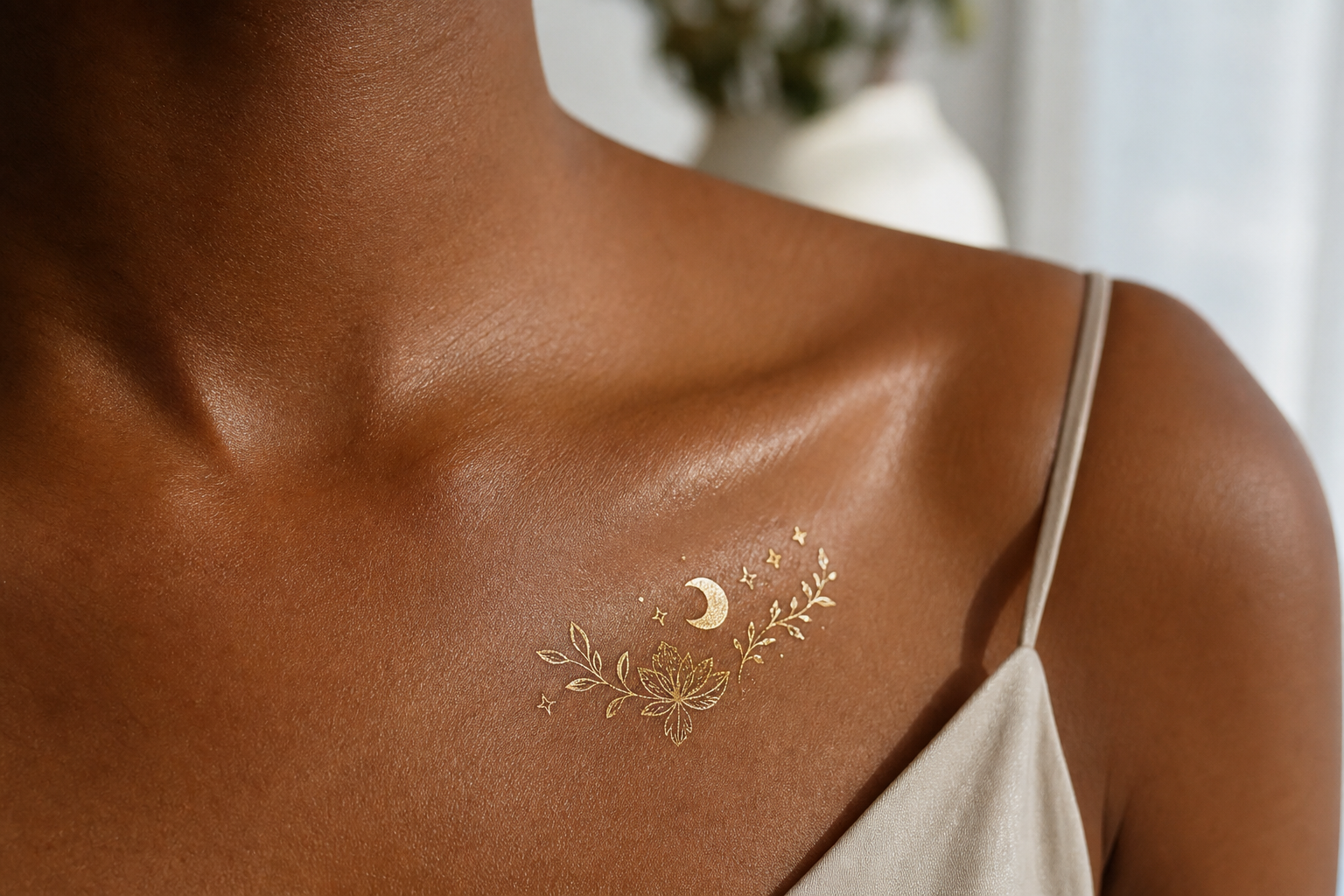
Metallic-looking, gold-powder, glitter-like, or heavy-pigment effects should be treated as decorative surfaces, not as proof of a stronger material. The exact construction varies by product, so the safest plan is to follow its directions and minimize soaking, oil, and friction.
Pat a metallic design dry, keep straps and tight fabric away from it, and avoid testing the finish by rubbing it. A special effect can remain attractive around ordinary water and still be easier to disturb than a simple flat design.
Sunscreen and Temporary Tattoos
Sun protection comes first. Follow the sunscreen label and do not under-apply it to preserve temporary artwork. The tradeoff is that an oily or creamy formula, especially when rubbed directly over the tattoo, may shorten the clean appearance of a surface decal.
Plan placement with sun exposure in mind, apply sunscreen gently, and avoid repeated rubbing over the design. Never place a temporary tattoo over sunburned, irritated, broken, or peeling skin. For the complete sun-protection decision, read Can You Use Sunscreen Over a Temporary Tattoo?.
Frequently Asked Questions
Do temporary tattoos come off in the shower?
Not necessarily. A dry water-transfer tattoo may tolerate a gentle shower, but hot water, long soaking, scrubbing, and towel friction can make it fade or lift sooner. Follow the exact product directions and pat the area dry.
Will a fake tattoo come off in the pool?
It may stay visible, but swimming combines soaking with movement, sunscreen, swimwear, and towel friction. Expect more wear than from a quick shower, especially with a delicate finish.
How do you protect a temporary tattoo in the shower?
Let it dry completely before the shower, avoid scrubbing the design, and pat it dry afterward. No household coating can guarantee that every temporary tattoo will remain unchanged.
How long do waterproof temporary tattoos last?
There is no single guaranteed number. Product type, application, placement, oil, friction, soaking, and finish all affect how long the design looks clean. The temporary tattoo wear-time guide covers duration in more detail.
Does lotion make a temporary tattoo come off faster?
It can, particularly when the lotion is thick or oily and is rubbed directly over a surface decal. Use skin-care products as needed, but expect direct oily contact and rubbing to shorten wear.
Final Takeaway
Do not judge a temporary tattoo by water alone. First let it transfer and dry according to its instructions. Then protect the printed surface from the combination that causes the most visible wear: water plus rubbing, soaking plus movement, or oil plus repeated touching.
For a complete care routine beyond showers and pools, see how to make temporary tattoos last longer.
Choose a Design for the Way You Plan to Wear It
Start with the artwork and finish you want, then use the exact product directions and choose a placement that fits your shower, pool, clothing, and event plans.
What the guide images show
Key visual information is repeated below as text so the design, scale, placement, and process do not depend on images alone.
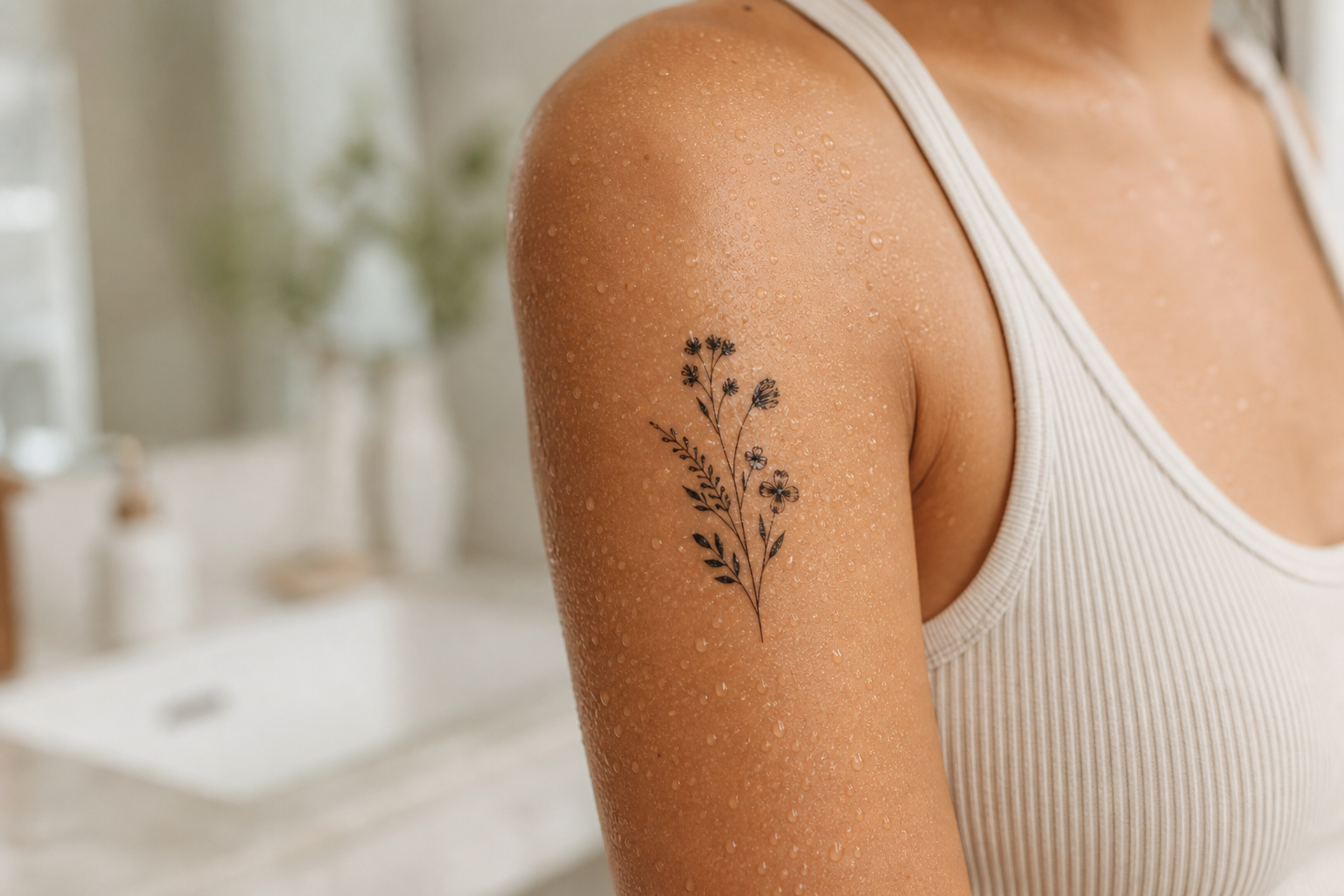
- A well-applied standard temporary tattoo can usually handle normal water contact, but it still needs gentle wear.
- Temporary tattoo being gently patted dry after water exposure
- Temporary tattoo near unlabeled oil and lotion products that can weaken the design
- Gold metallic temporary tattoo on adult skin showing a delicate special finish
- Temporary tattoo on a forearm near a towel showing how rubbing can wear the edge