
Quick Answer: How Can You Make Temporary Tattoos Last Longer?
Make a temporary tattoo last longer by protecting it at three moments: prepare clean, dry skin before application; keep the transfer still and follow the exact sheet directions while applying it; then let it dry completely and reduce oil, rubbing, soaking, and tight clothing during wear. These steps cannot guarantee a number of days, because product type, placement, skin, and daily activity differ. They do give you a practical way to avoid the most preventable causes of early lifting and patchy wear.
| Phase | Check | Action |
|---|---|---|
| Before | Is the skin clean and completely dry? | Wash away oil, lotion, sunscreen, and makeup from the transfer area, then dry it |
| Before | Will clothing, a joint, or a strap rub the placement? | Move the design to a smoother, lower-friction area when the look still works |
| During | Is the backing evenly wet and held still? | Follow the exact product directions and press without sliding the design |
| During | Has the design transferred cleanly? | Lift the backing carefully; use the application guide if an edge has not released |
| After | Is the surface fully dry before touch or clothing? | Leave it uncovered and undisturbed until it is no longer tacky |
| After | Will showering, exercise, or sleep add friction? | Pat moisture away, avoid rubbing, and keep tight fabric or bedding off the design when possible |
| After | Are oily products touching the tattoo? | Keep body oil and heavy lotion off the printed surface if longer wear is the goal |
Before Application: Prepare the Skin and Placement
The best longevity work starts before the backing touches your skin. Wash the placement area and let it dry completely. Lotion, body oil, sunscreen, and makeup between the skin and a water-transfer tattoo can interfere with an even transfer.
Choose the placement by friction as well as appearance. A design under a watch band, waistband, tight sleeve, shoe, or bag strap will be rubbed repeatedly. Joints and high-movement areas also crease and stretch. A smoother area with less contact usually gives the printed surface an easier daily life, but no body area guarantees a particular wear time.
If the area becomes oily quickly, use the oily-skin application and adhesion guide for that specific decision. Do not compensate by using unverified solvents or powders on the skin before application.
During Transfer: Follow the Exact Sheet Directions
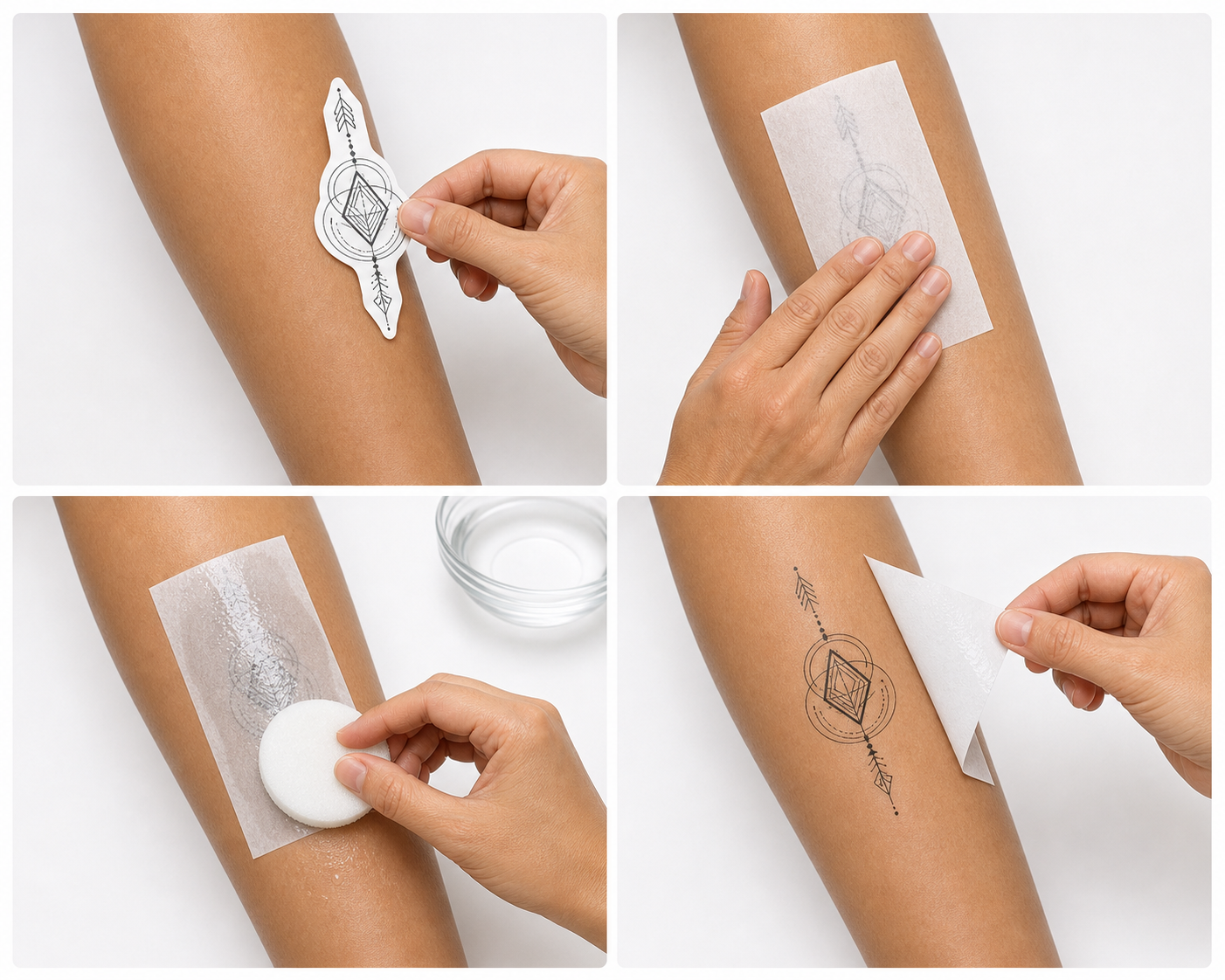
Apply the tattoo according to the instructions supplied with that product. Keep the design in the chosen position, wet the backing as directed, and press without sliding it around. An uneven or shifted transfer begins with weak edges that daily friction can catch later.
This guide does not replace the transfer instructions. If you need the full sequence, including how to cut a motif, position it, wet the backing, and lift the paper, use How to Apply a Temporary Tattoo.
After Transfer: Let the Tattoo Set
Once the paper is removed, leave the tattoo alone until the surface is completely dry and no longer tacky. Avoid touching it to check whether it is dry, and do not immediately cover it with tight clothing or an accessory.
There is no universal setting time for every sheet and finish. Use the product directions rather than borrowing a minute count from another brand. The useful rule is observable: the surface should be dry, stable, and free from the pressure or sliding that can disturb a fresh transfer.
If part of the design is already folded, missing, or lifting, do not keep pressing and picking at it. Use How to Fix a Peeling or Half-Transferred Temporary Tattoo to decide whether it can be tidied or should be removed.
Daily Care: Reduce Oil, Rubbing, and Soaking
A classic water-transfer tattoo is a printed layer on the skin’s surface. Daily care is therefore less about “sealing it forever” and more about protecting that surface from repeated wear.
Pat instead of rubbing
After washing or sweating, pat the area dry with a soft towel. Back-and-forth rubbing can dull the print or catch an edge. The same idea applies when changing clothes: guide fabric past the tattoo instead of dragging a tight seam over it.
Keep heavy oil off the printed surface
Body oil, cleansing oil, and heavy lotion can loosen or blur a surface decal. Use skin-care products where you need them, but if longer wear is the priority, avoid rubbing an oily product directly over the tattoo. Oil is often used during removal, which is the opposite of the goal here.
Limit long soaking
A brief shower and a long bath, pool session, or day in salt water are not equivalent. Longer soaking also brings more movement, towels, sunscreen, and clothing friction. If water is central to your plans, use the temporary tattoo shower and pool guide for the full scenario decision.
Clothing, Placement, and Overnight Friction
Before dressing, check whether a cuff, waistband, bra strap, sock, shoe, watch, or bag will cross the design. A single contact may do little, but hundreds of small contacts can create visible edge wear.
If clothing repeatedly rubs the same spot, the clothing-friction answer helps you decide whether to change the garment, protect the placement from contact, or accept a shorter clean-wear window.
For overnight wear, apply the tattoo early enough to become completely dry before bed. Loose sleepwear and a placement that is not pressed directly into rough bedding may reduce rubbing. The sleeping with a temporary tattoo guide covers bedding, position, and the morning check in more detail.
Keeping It Intact During an Event
Prepare for an event by solving friction before you leave, not by adding an unverified top coat at the last moment.
- Check costume straps, waistbands, jewelry, watches, bags, and shoes against the chosen placement.
- Apply the tattoo with enough time for a calm, complete transfer and full drying.
- Keep lotion, body oil, and makeup out of the transfer area unless the product directions specifically allow them.
- Blot sweat rather than wiping the tattoo repeatedly.
- Carry the instructions or product information if you may need to remove the design after the event.
For the narrow problem of a sweaty costume environment, use How Can Temporary Tattoos Stay On During Sweaty Cosplay Events?. It covers that setting without turning every daily-care decision into a cosplay rule.
How to Keep the Design Looking More Natural
Longevity and appearance overlap at the surface. A clean transfer with intact edges generally looks more convincing than a wrinkled or heavily rubbed one. Let the tattoo dry before judging its finish, avoid oily products that add shine, and choose a placement where the design can lie flat.
Design scale and line style also affect the look, but do not assume one finish will behave the same across every product. Check real product images and the exact sheet rather than relying on a generic “matte” or “realistic” promise.
What Not to Do
- Do not apply over lotion, oil, sunscreen, or makeup unless the exact product directions permit it.
- Do not slide the backing during transfer.
- Do not keep touching a fresh tattoo to test it.
- Do not scrub it in the shower or rub it dry.
- Do not place it directly under a tight strap or seam when longer wear matters.
- Do not use an unverified sealant, powder, or household coating as if it guarantees extra days.
- Do not pick at a lifting edge; troubleshoot it or remove the design gently.
When the tattoo has reached the end of its clean wear, the temporary tattoo removal guide explains how to identify the product type and use a gentler method.
Frequently Asked Questions
How do you make a temporary tattoo last longer?
Prepare clean, dry skin, make a still and complete transfer, let the surface dry fully, then reduce oil, rubbing, tight clothing, and long soaking. Follow the exact product instructions rather than relying on a universal timing or sealing trick.
How long should a temporary tattoo last?
There is no single guaranteed duration. Product type, application, placement, skin, friction, oil, and water exposure all matter. See How Long Do Temporary Tattoos Last? for the full wear-time decision.
Can you shower with a temporary tattoo?
A fully dry water-transfer tattoo may tolerate a brief, gentle shower, but scrubbing, long soaking, and towel friction can shorten its clean appearance. Pat it dry and use the waterproof guide for pool and sunscreen scenarios.
Does oil make a temporary tattoo come off faster?
Oil can loosen or blur many surface decals, particularly when it is rubbed over the design. Keep heavy oil away from the printed surface when longer wear is the goal.
Where do temporary tattoos usually wear more quickly?
High-friction and high-movement areas—such as spots under tight clothing, straps, watches, shoes, or across joints—often show earlier wear. The exact result still depends on the product and application.
Can you sleep with a temporary tattoo on?
Yes, once it is fully dry. Reduce contact with tight sleepwear and rough bedding, and avoid sleeping directly on the design when possible.
Final Takeaway
Before application, remove the barriers that prevent a clean transfer. During application, keep the design still and follow its instructions. After application, let it dry and protect it from repeated oil, friction, and soaking. That sequence is more useful than chasing a single trick, because it follows the life of the tattoo from skin preparation to everyday wear.
Choose a Design That Fits Your Placement and Plans
Start with the artwork you want, check the exact sheet and directions, and choose a placement that will not fight your clothing, event, or daily routine.
What the guide images show
Key visual information is repeated below as text so the design, scale, placement, and process do not depend on images alone.
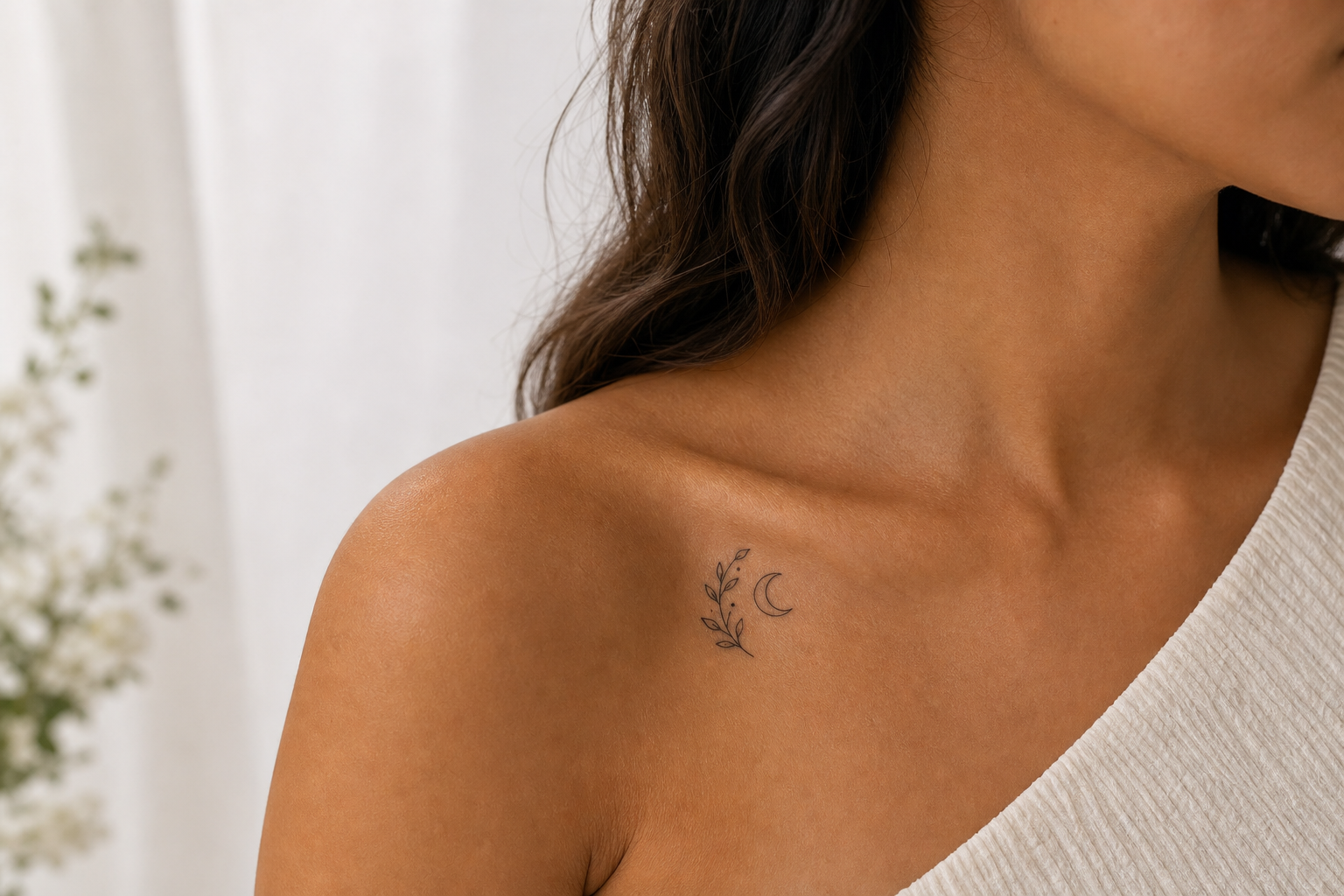
- Different placements and skin tones can still look natural when the transfer sits flat and clean.
- Four-panel guide showing how a temporary tattoo is placed, wetted, and transferred to the skin
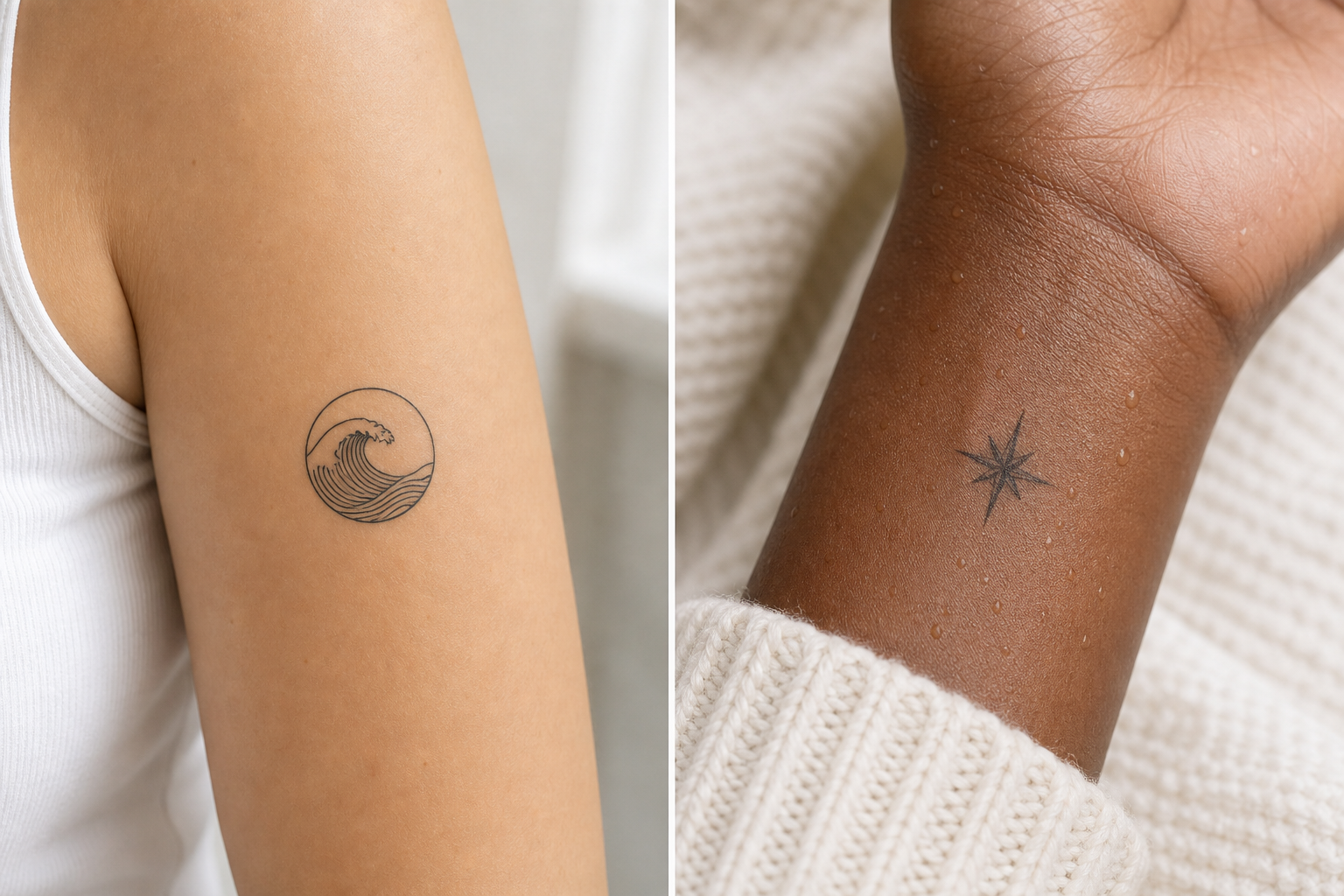
- Crisp upper-arm temporary tattoo compared with a wrist tattoo exposed to moisture and friction
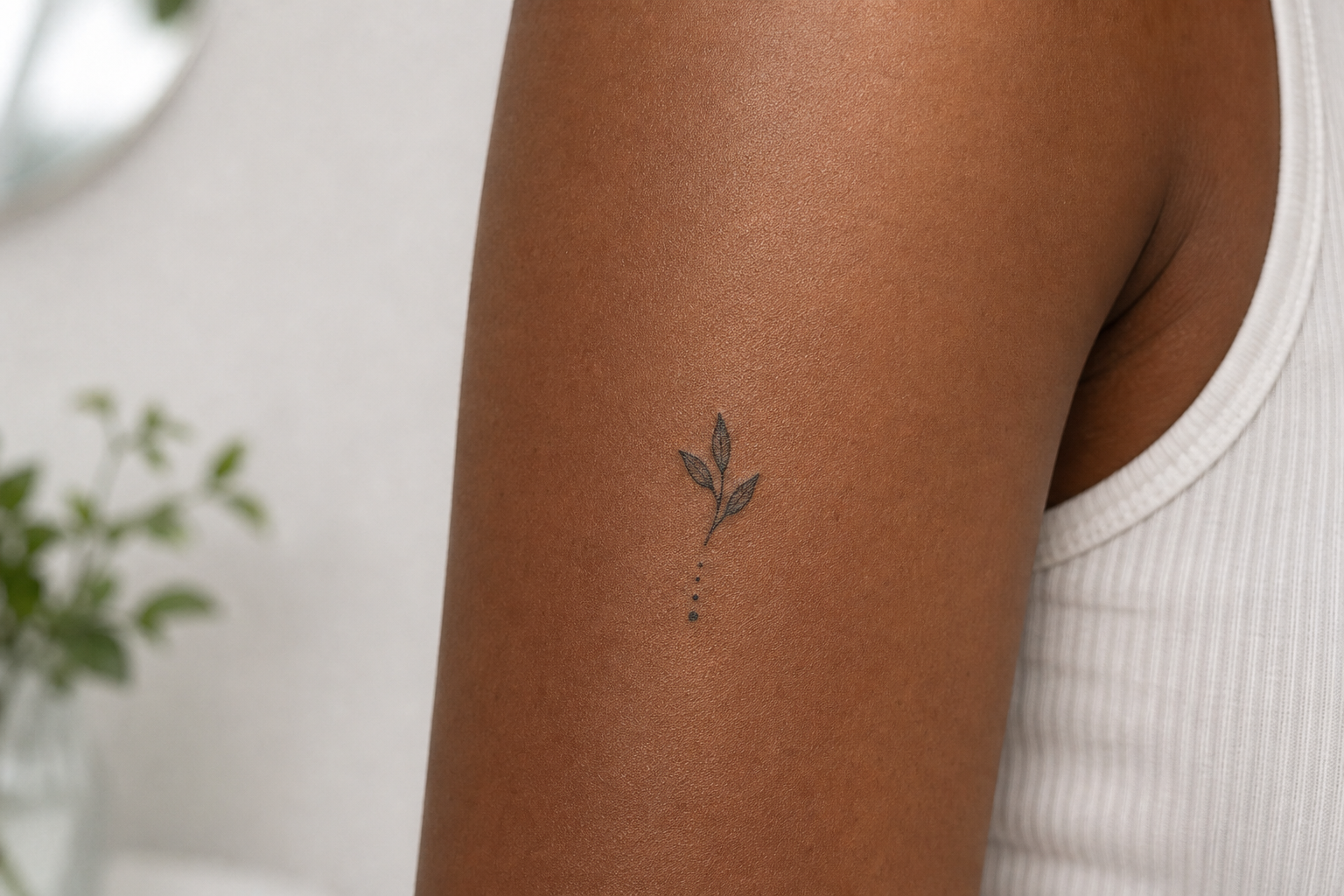
- Small botanical temporary tattoo on deep brown skin with a soft low-shine finish