
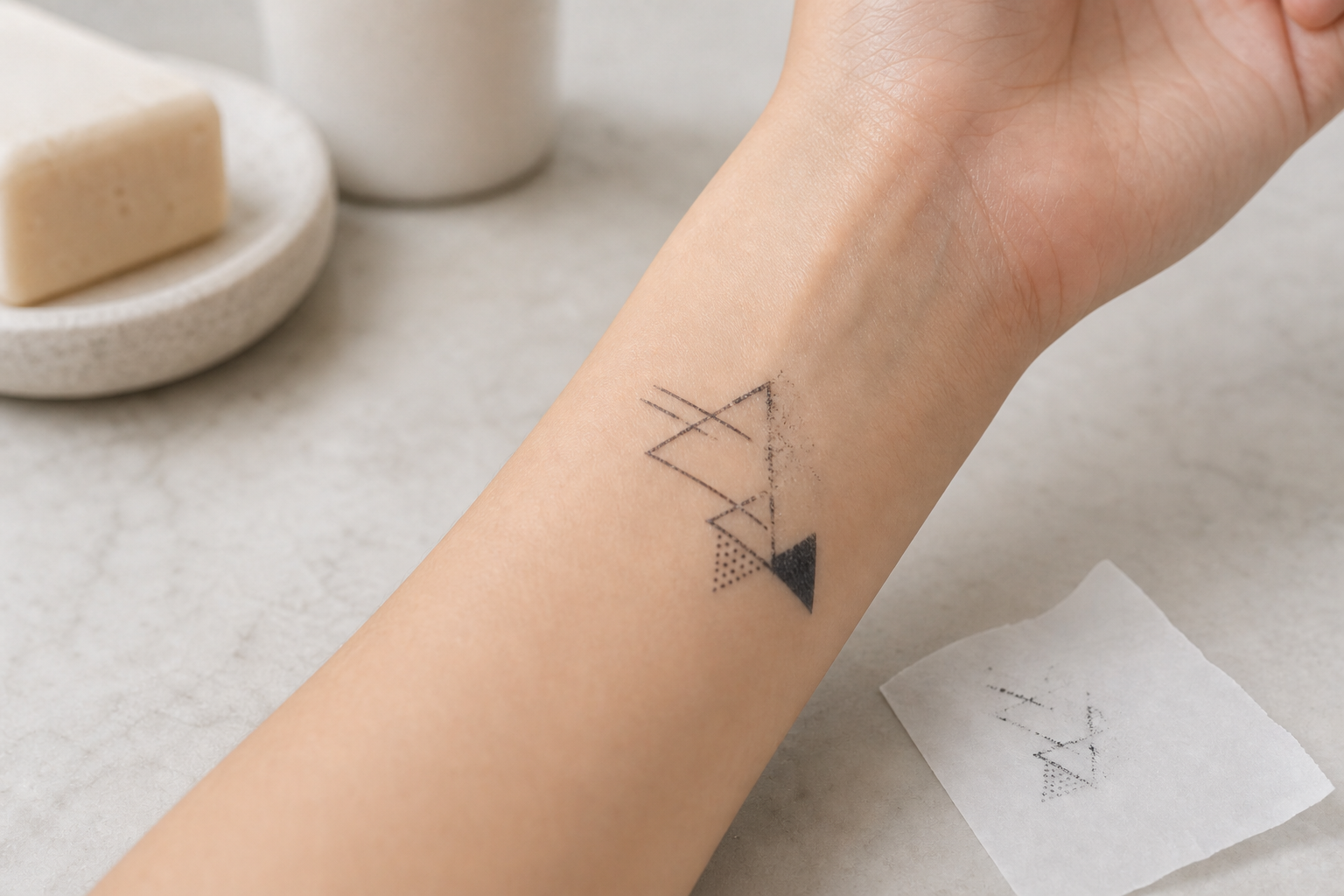
A temporary tattoo that is peeling, cracked, or only half transferred can sometimes be improved, but it cannot always be made perfect again. The honest answer is simple: small lifted edges may be fixable; large missing areas usually are not.
If the design still looks mostly complete, the best move is to dry the area, stop touching it, press down any lifted edge gently, and protect it from more friction. If half the design is missing, the cleanest solution is usually to remove it and apply a fresh tattoo instead of trying to patch it forever.
This guide is for standard decal-style temporary tattoos, not henna, jagua, semi-permanent stain products, or permanent tattoos. If you need the full transfer process first, start with how to apply a temporary tattoo. If you decide the damaged tattoo is not worth saving, use the safer removal steps in how to remove a temporary tattoo.
What Should You Do if a Temporary Tattoo Starts Peeling?
If only a tiny clear edge is lifting, keep it clean and dry, avoid friction, and press it flat once without glue. If a large section is peeling, cracked, dirty, or uncomfortable, remove the tattoo gently and replace it on prepared skin; missing artwork cannot be rebuilt invisibly with water or pressure.
Choosing your next temporary tattoo?
Choose a fresh design for cleaner wear
When a temporary tattoo is cracked, peeling, or missing a large area, a fresh transfer usually looks better than trying to repair the damaged design.
Choose smoother placements and let the transfer dry fully before clothing rubs the area.
Think of a temporary tattoo as a thin surface design. Once part of that surface layer is gone, you cannot truly rebuild the missing artwork with water or pressure. You can only protect what is still there, disguise a small flaw, or start over.
First, Identify What Went Wrong
Before trying to fix the tattoo, look at the kind of problem you have. Different failures need different answers.
The edge is lifting after wearing it
This usually happens because of friction, oil, long soaking, towel rubbing, or placement on a high-movement area. Wrists, hands, fingers, ankles, feet, and spots under tight clothing are more likely to lift because the surface gets touched and rubbed more often.
Only half the tattoo transferred during application
This is usually an application issue. Common causes include skin oil, lotion, not enough water on the backing paper, uneven pressure, moving the paper too early, or applying the tattoo over hair, curves, or skin that stretches while you press.
The tattoo looks cracked or patchy
Cracking can happen when the tattoo sits over a joint, crease, dry skin, or an area that bends all day. Patchiness can also happen if the transfer was not fully even at the start.
If the Edge Is Lifting: What You Can Try
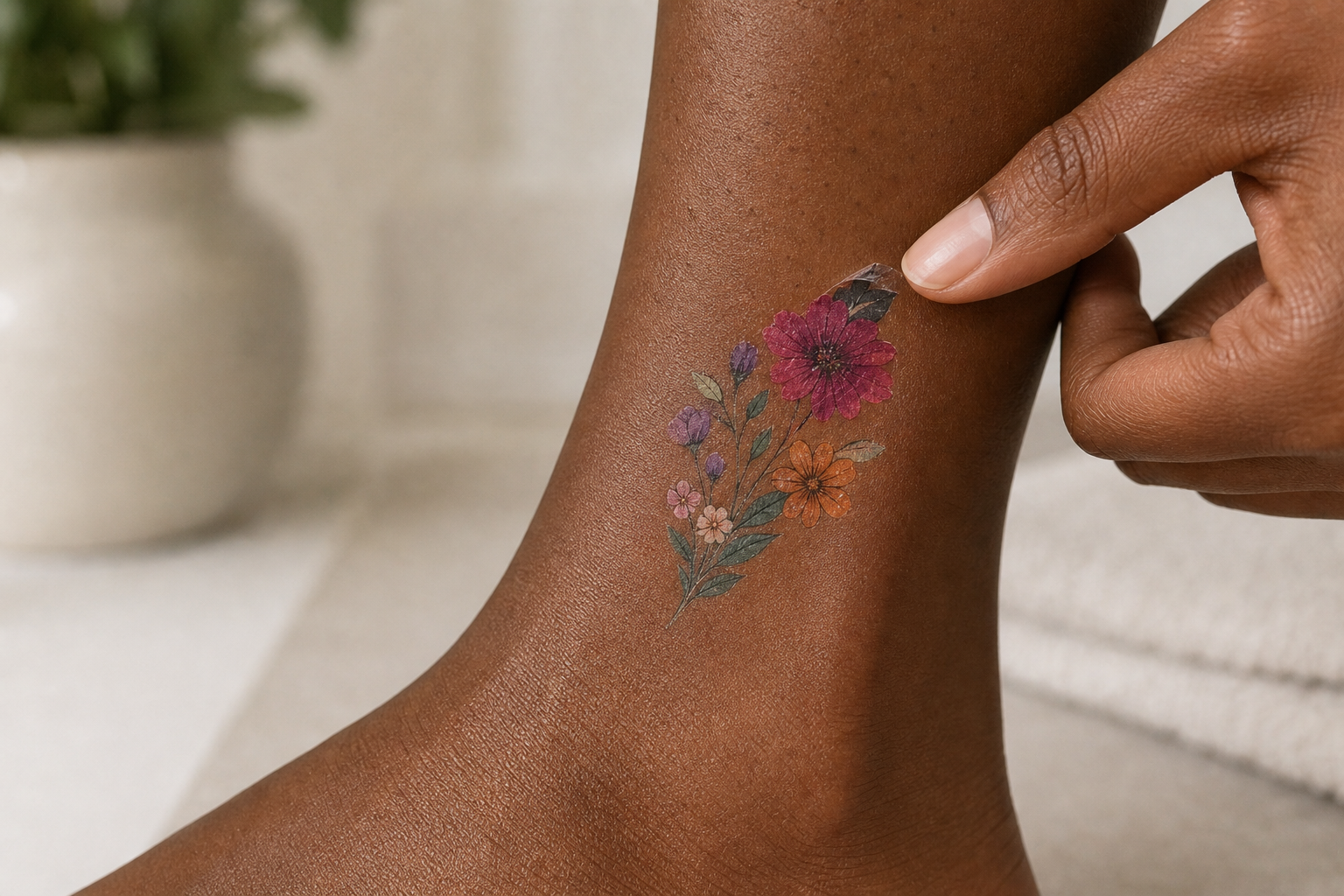
If the tattoo is mostly intact and only one edge is curling up, try this gentle rescue method:
- Let the skin dry completely.
- Make sure your hands are clean and dry.
- Press the lifted edge down lightly with a fingertip.
- Hold it in place for a few seconds.
- Leave it alone as much as possible afterward.
Do not keep re-wetting the tattoo, scratching the edge, or rubbing it with a towel. If the tattoo gets wet again, pat around it gently and let it air-dry.
Be careful with “sealing” tricks. Clear nail polish, craft glue, eyelash glue, or strong adhesives are not good universal fixes for skin. They can irritate skin, make the tattoo look shinier, or create a rough edge that draws more attention to the problem.
How Do You Fix a Temporary Tattoo That Only Transferred Halfway?
If half the design stayed on the paper or never appeared on the skin, the tattoo probably cannot be repaired cleanly. Pressing the used backing paper again usually does not restore the missing part, and adding more water can make the remaining design blur or lift.
Your best options are:
- Leave it alone if the missing part is small and the design still looks intentional.
- Use a fresh matching tattoo if you have another copy and the placement allows it.
- Remove it and start over if the damage is obvious.
If you use another tattoo over the same area, make sure the skin is dry and not oily. If the damaged tattoo has left residue or uneven patches, it is usually better to remove it first and apply the new one on clean skin.
If It Peeled After a Shower, Swim, or Sweat
Water alone is not always the reason a temporary tattoo peels. Many standard temporary tattoos handle normal water exposure well. The real problem is often water plus rubbing: towel drying, clothing friction, swimsuit straps, socks, sleeves, or repeated touching.
If the tattoo peeled after getting wet, let it dry first. Then check whether the design is still mostly attached. A small lifted edge may press down again, but a rubbed-off section will not come back.
For a fuller explanation of water exposure, see are waterproof temporary tattoos really waterproof?. The short version is: waterproof does not mean rub-proof.
If Oil, Lotion, or Sunscreen Caused the Peeling
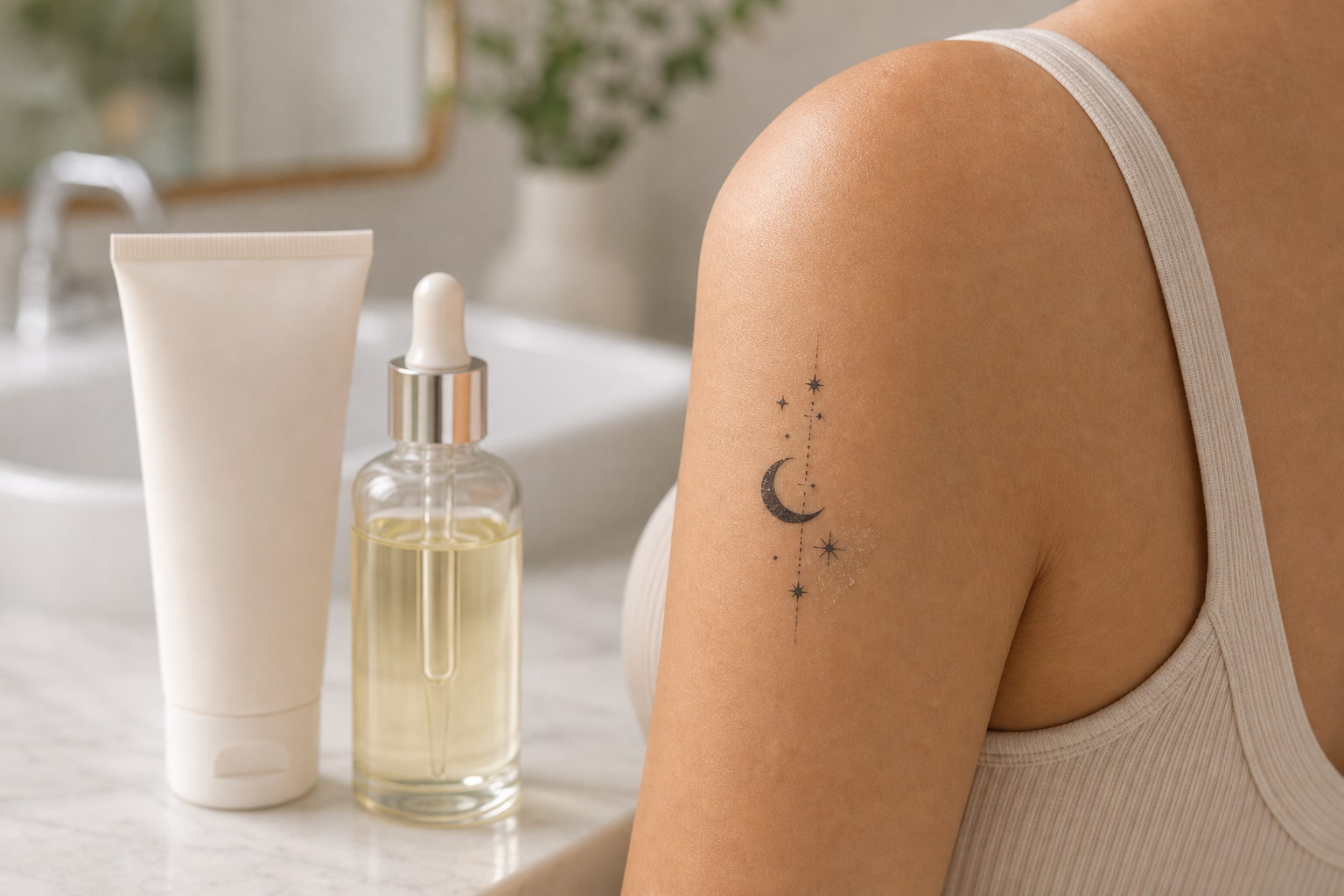
Oil-based products can make a temporary tattoo loosen faster. Body oil, makeup remover, oil cleanser, thick lotion, balm, sunscreen, perfume, and hand sanitizer can all affect the surface layer, especially when they are rubbed directly over the design.
If oil or lotion has already softened the tattoo, do not try to scrub it back into place. Gently blot the area, let it dry, and decide whether the design still looks wearable. If it has become smeared, sticky, or patchy, removal is usually cleaner than repair.
This is why oil is useful when you want to remove a temporary tattoo, but not useful when you want one to last.
When You Should Stop Trying to Fix It
Sometimes the best fix is to stop fixing. Remove the tattoo gently and start again if:
- a large part of the design is missing
- the edge keeps lifting no matter what you do
- the tattoo looks smeared or dirty
- the skin feels itchy, sore, hot, swollen, or irritated
- the placement is too high-friction to hold the design well
The FDA notes that temporary tattoos and related products can sometimes be associated with skin reactions, especially products marketed as black henna or pre-mixed henna. You can read the FDA’s temporary tattoo fact sheet for more context. If a cosmetic product causes a reaction such as rash, redness, irritation, or another unexpected symptom, the FDA also explains how to report a cosmetic-related complaint.
If the skin is irritated, do not cover the problem with another tattoo, glue, polish, or heavy product. Remove the tattoo gently and give the area a break.
How to Prevent the Same Problem Next Time
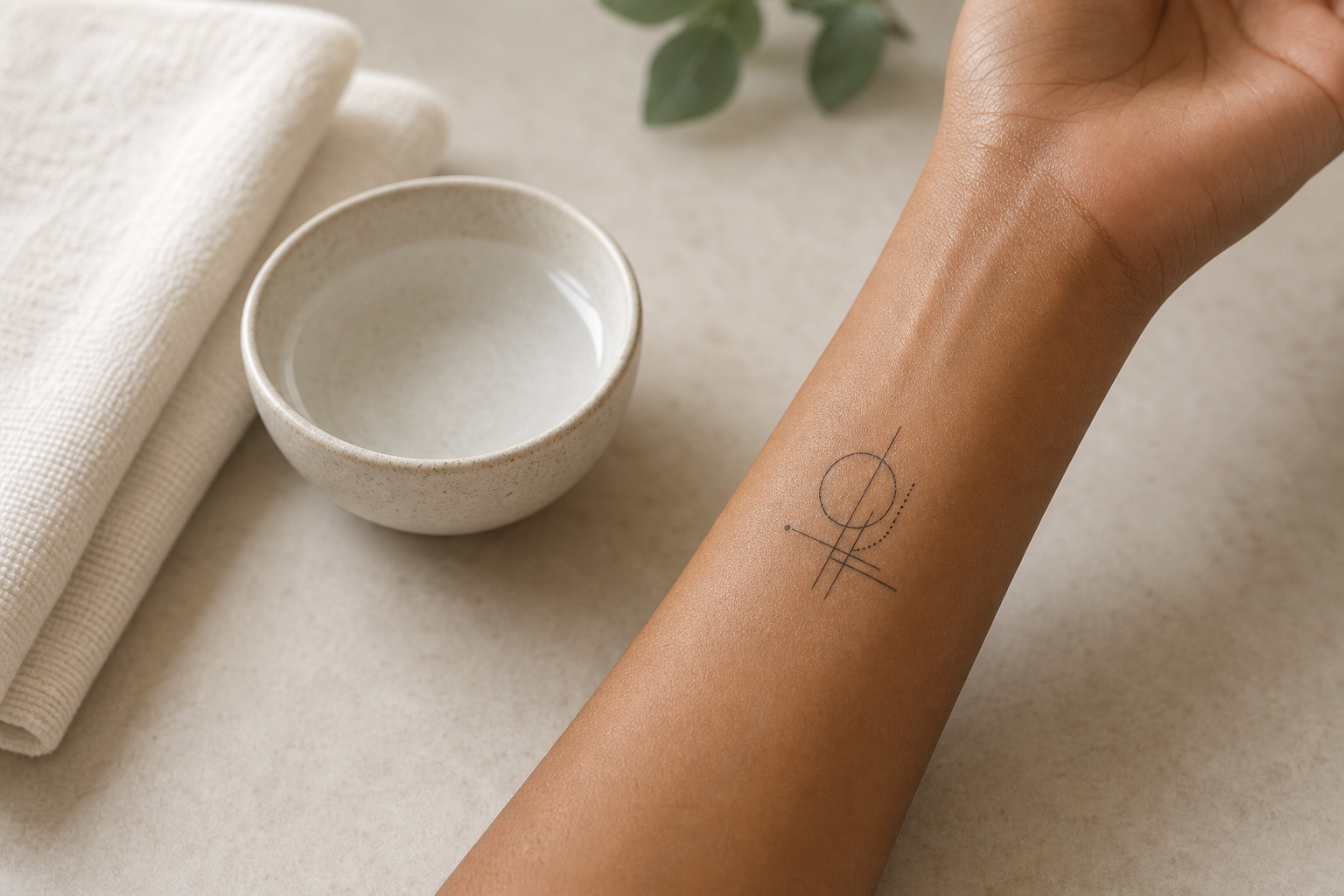
Most temporary tattoo problems are easier to prevent than to repair. Before your next application:
- Start with clean, dry skin.
- Do not apply over lotion, oil, sunscreen, or makeup.
- Choose a smooth, low-friction area when possible.
- Press the backing paper evenly during application.
- Do not slide or lift the paper too early.
- Let the tattoo fully dry before touching it or covering it with clothing.
- Pat dry after water exposure instead of rubbing.
For long wear, placement matters almost as much as technique. If you want more detail on protecting the design after it is applied, read how to make temporary tattoos last longer.
Frequently Asked Questions
Can I re-wet a temporary tattoo to fix it?
Usually, no. Re-wetting a tattoo after it has already transferred can make the design blur, lift, or become patchier. It is better to let the area dry and protect what is still attached.
Can I put clear nail polish over a temporary tattoo?
It is not a good general recommendation. Nail polish is made for nails, not skin, and it may irritate the area or make the tattoo look shiny and uneven. The FDA also notes that cosmetics can contain allergens, which is one reason it is better not to improvise with products that were not meant to be used as a skin-safe tattoo sealer. You can read more in the FDA’s overview of allergens in cosmetics.
Can lotion smooth a peeling temporary tattoo?
No, lotion is more likely to make the tattoo loosen faster, especially if it is thick or oil-rich. If the tattoo is peeling, keep the area dry and avoid rubbing.
Can I apply another temporary tattoo over a damaged one?
For a tiny missing area, you may be able to layer a small design nearby. For a large failed transfer, remove the damaged tattoo first. Applying a new tattoo over residue can make the second one look uneven too.
Why did only half of my temporary tattoo transfer?
The most common reasons are skin oil, uneven pressure, not enough water, moving the backing paper too early, or applying the tattoo on a curved, hairy, or high-movement area.
Can I fix a cracked temporary tattoo?
You may be able to make it less noticeable by leaving it alone and avoiding more friction, but cracks usually cannot be erased. If the design is badly broken, removing and reapplying is the cleaner option.
Final Takeaway
A peeling temporary tattoo is not always a disaster, but it does have limits. If the edge is only slightly lifted, keep it dry and press it gently. If the design is missing, smeared, or irritating the skin, do not fight it. Remove it gently, let the skin rest if needed, and apply a fresh tattoo on clean, dry skin next time.
Choose a fresh design for cleaner wear
If a temporary tattoo is already cracked or missing large areas, a fresh transfer usually looks better than trying to repair it.
What the guide images show
Key visual information is repeated below as text so the design, scale, placement, and process do not depend on images alone.
- A half-transferred tattoo is usually caused by uneven pressure, skin oil, not enough water, or moving the backing too early.
- Fingertip gently pressing down the edge of a peeling temporary tattoo
- Temporary tattoo near oil and lotion products with a softened edge
- Fresh temporary tattoo applied cleanly on dry skin