
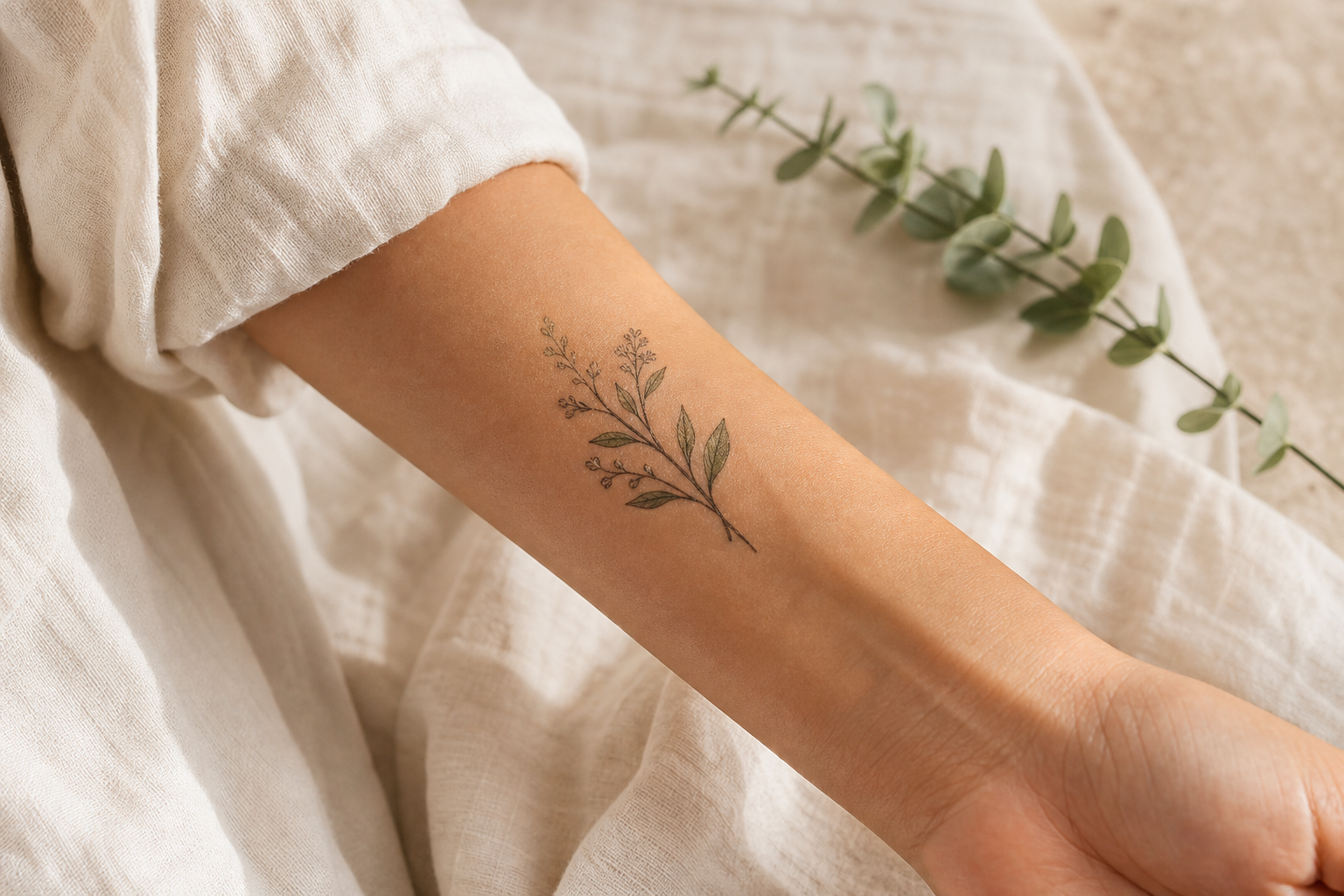
Most standard temporary tattoos last a few days, but the honest answer is more useful than a single number. For classic water-transfer or decal-style temporary tattoos, a realistic expectation is often around 2 to 5 days. Some products and care guides describe 3 to 5 days, or even 3 to 7 days in better conditions, but wear time is not guaranteed.
At Beauty of Papers, we think of temporary tattoo wear time as a range, not a promise. Placement, skin type, friction, oil, water exposure, and how cleanly the tattoo transferred all matter. A tattoo on the upper arm may look crisp much longer than the same design on a finger, wrist crease, or area that rubs under clothing.
This guide focuses on standard water-transfer temporary tattoo stickers, not permanent tattoos, real henna paste, jagua stains, or longer-wear semi-permanent stain products. If you are still learning the transfer process, start with our guide on how to apply a temporary tattoo. If your tattoo is already fading or bothering your skin, use the gentle steps in how to remove a temporary tattoo without irritating your skin.
If your question is how long an unused sheet can be stored before application, use our fake tattoo shelf-life guide; this page covers wear only after the tattoo is transferred to skin.
Quick Answer: How Long Do Temporary Tattoos Last?
Standard water-transfer temporary tattoos usually last a few days. A practical expectation is about 2 to 5 days for many decal-style temporary tattoos, depending on placement, skin type, and wear. Some brands describe classic temporary tattoos as lasting around 3 to 5 days, while other sources use a wider 3 to 7 day range.
That range matches several published references rather than a single guess: StickerApp lists standard temporary tattoo wear at 2 to 5 days, TemporaryTattoos.com says classic temporary tattoos usually last 3 to 5 days, and the City of Milwaukee Health Department describes decal-type temporary tattoos as fading within a few days.
The safest way to understand those numbers is this: 2 to 5 days is a realistic everyday range, while 3 to 7 days is more of a better-case range when the tattoo is applied well and protected from friction, oil, and long soaking.
If a temporary tattoo comes off in one day, something probably shortened the wear time. Common causes include applying it over lotion, placing it on a high-friction area, touching it before it dried, rubbing it with a towel, or exposing it to oil-based products.
Why There Is No Single Wear-Time Promise
A temporary tattoo sits on the surface of the skin. That makes it very different from a permanent tattoo, which is placed into the skin with a needle. Surface wear is part of the temporary tattoo experience: the design can fade, crack, lift at the edge, or gradually break down as your skin moves through the day.
That is why two people can apply the same tattoo and get different results. One person may wear it on the shoulder for several days with very little rubbing. Another person may place it near the wrist, wash that area often, apply sunscreen, and see fading much sooner.
Wear time is affected by:
- where you place the tattoo
- how clean and dry the skin was before application
- how much the area bends or stretches
- how much clothing rubs over the design
- whether oil, lotion, sunscreen, or makeup remover touches it
- how often the area is washed, soaked, or towel dried
- whether the tattoo transferred evenly in the first place
This is also why “waterproof” does not mean “will last the same number of days for everyone.” A waterproof temporary tattoo may handle normal water exposure, but rubbing, oil, and repeated soaking can still make it wear down faster.
How Long Are Good Temporary Tattoos Supposed to Last?
A good standard water-transfer temporary tattoo should usually remain visible for several days, but duration alone is not a complete quality test. This guide uses about 2 to 5 days as a practical everyday range and 3 to 7 days as a better-case range when application, placement, and care are favorable. These are expectations, not a guarantee for every design or wearer.
The best-looking or photo-ready window is often shorter than total visible wear. Friction, sweat, soaking, sunscreen handling, clothing, and towel drying can soften edges or change the fresh-applied finish before the design disappears completely.
“Good” also means the design transfers evenly, has clean edges, suits the placement, feels comfortable, and fades in a manageable way. A highly realistic or metallic finish does not automatically last longer; the transfer quality and wear conditions still matter more than the visual style alone.
How Can You Make a Temporary Tattoo Last Longer and Keep It Fresh?
Clean, dry skin, a low-friction placement, enough time to dry, and keeping heavy oils away can all help a standard water-transfer tattoo stay presentable longer. These same conditions also explain why actual wear varies.
For the full preparation, placement, water, oil, friction, and aftercare plan, use our guide to making temporary tattoos last longer. This page stays focused on expected wear time and the factors that shorten it.
What Makes a Temporary Tattoo Come Off Faster?
Most early fading comes from a few repeat causes: friction, oil, long soaking, and imperfect application.
Friction from clothing, towels, or movement
Friction is one of the fastest ways to wear down a temporary tattoo. Tight sleeves, watch bands, waistbands, socks, bags, and towel rubbing can all break up the surface.
If the tattoo is placed on an area that bends a lot, such as the wrist crease or inner elbow, movement can also create tiny cracks in the design.
Oil, lotion, sunscreen, or makeup remover
Oil-based products can help loosen a temporary tattoo. That is helpful during removal, but not during wear.
If a tattoo fades quickly after skincare, sunscreen, or body oil, the product may have softened the design. This is especially common when the product is rubbed directly over the tattoo instead of around it.
Long showers, swimming, or heavy sweat
Normal water exposure is usually not the main problem. The bigger issue is soaking plus friction. Long showers, swimming, frequent washing, and rough towel drying can make the tattoo fade faster or start to break up.
If the tattoo gets wet, pat the area dry gently instead of rubbing it.
StickerApp’s waterproof guidance makes the same distinction: normal water exposure is different from long showers, swimming, frequent washing, and rubbing, which can make temporary tattoos fade or break up faster.
A patchy first transfer
If the tattoo did not transfer cleanly at the start, it usually will not become stronger later. A half-transferred or patchy tattoo is more likely to peel, crack, or fade unevenly.
If that happens, see our guide on how to fix a temporary tattoo that is peeling, cracked, or half transferred. Sometimes a small lifted edge can be improved, but large missing areas are usually better removed and reapplied.
Where Do Temporary Tattoos Last the Longest?
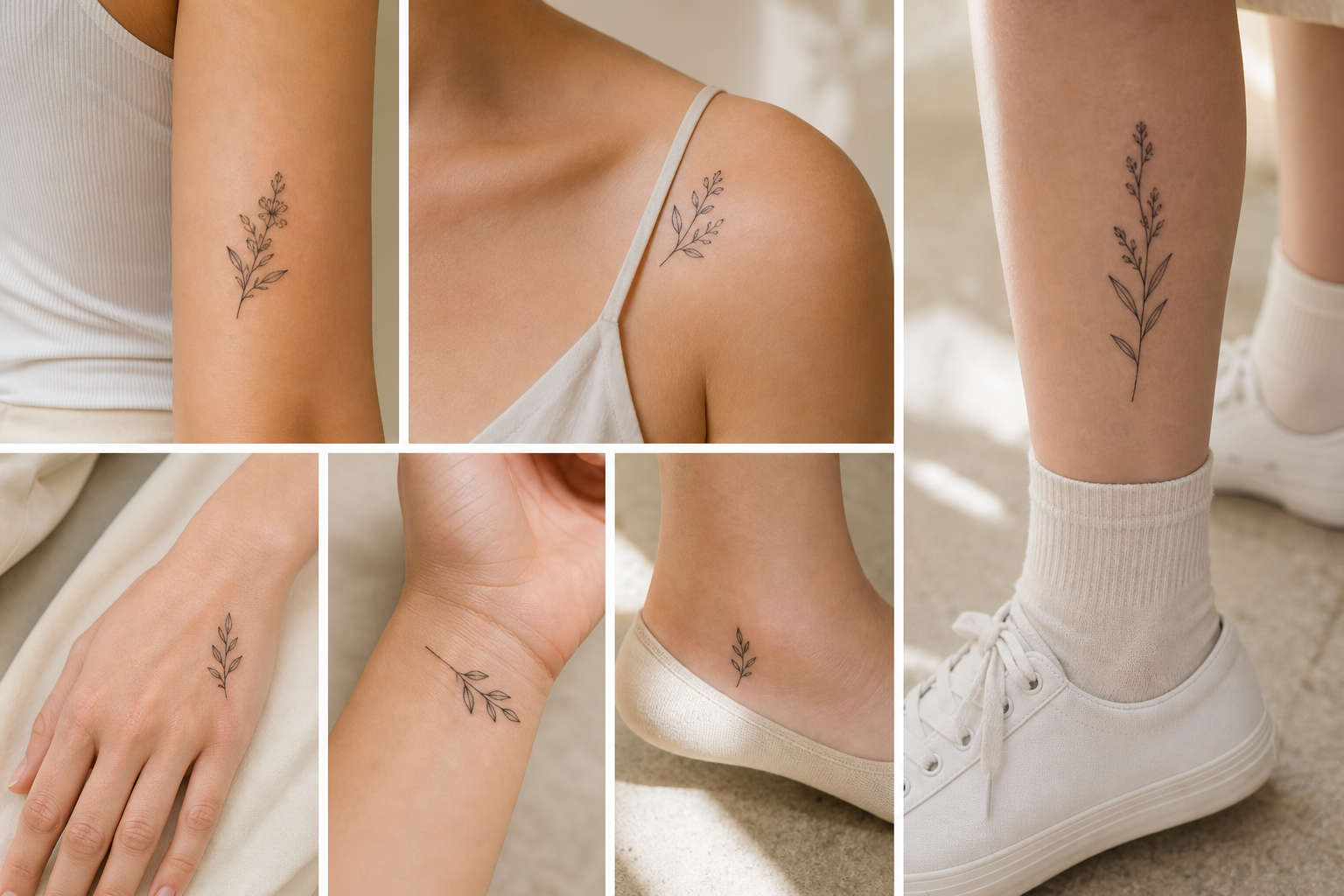
Temporary tattoos usually last longest on smooth, dry, low-friction areas. Think about places that do not bend constantly, do not get washed every hour, and do not rub under tight fabric.
Longer-wear placements often include:
- upper arm
- shoulder
- outer forearm
- upper back
- collarbone
- calf
These areas are also easier to apply cleanly because the skin can stay still while the tattoo transfers.
Where Do Temporary Tattoos Wear Off Fastest?
Some placements are beautiful for photos, but they are naturally harder on temporary tattoos. That does not mean you cannot wear them there. It just means you should expect a shorter wear time.
Faster-fading placements often include:
- fingers
- hands
- wrist crease
- inner elbow
- neck areas that rub against collars or hair
- feet
- areas under socks, shoes, waistbands, or tight straps
Hands and fingers are especially difficult because they are washed often, exposed to friction, and constantly moving. A finger tattoo may be perfect for a party look, but it should not be expected to last as long as the same design on the upper arm.
Do Waterproof Temporary Tattoos Last Longer?
Waterproof temporary tattoos can usually handle everyday water better than people expect, but waterproof does not mean rub-proof, oil-proof, or soak-proof.
A well-applied temporary tattoo may survive handwashing, light rain, a normal shower, or mild sweat. But if you soak it for a long time, scrub it with a towel, rub it under clothing, or apply oil-based products over it, the design may fade or break apart faster.
If you want the full explanation, read our guide on whether waterproof temporary tattoos are really waterproof.
Do Metallic or Delicate-Finish Tattoos Last Differently?
Some finishes may be more delicate than a standard printed design. Metallic, foil-like, or very fine-line temporary tattoos can look beautiful, but the surface may show rubbing or cracking more visibly.
That does not mean they are low quality. It means the finish is part of the wear behavior. A delicate design on a low-friction area may still look polished for several days, while the same design on a high-movement area may show wear sooner.
For event styling, apply delicate or metallic designs where they can be seen but not constantly rubbed.
Can You Make a Temporary Tattoo Last a Full Week?
Sometimes, but it should not be treated as a guarantee for standard decal-style temporary tattoos. A full week is more likely when the tattoo is placed on a low-friction area, applied cleanly, kept away from oils, and not exposed to repeated soaking or rubbing.
If you need a temporary tattoo to look good for a specific event, the better strategy is timing. Apply it close enough to the event that it looks fresh, but early enough that it has time to dry before you dress or go outside.
For many people, applying it the day of the event or the evening before is more reliable than trying to stretch one tattoo for a full week.
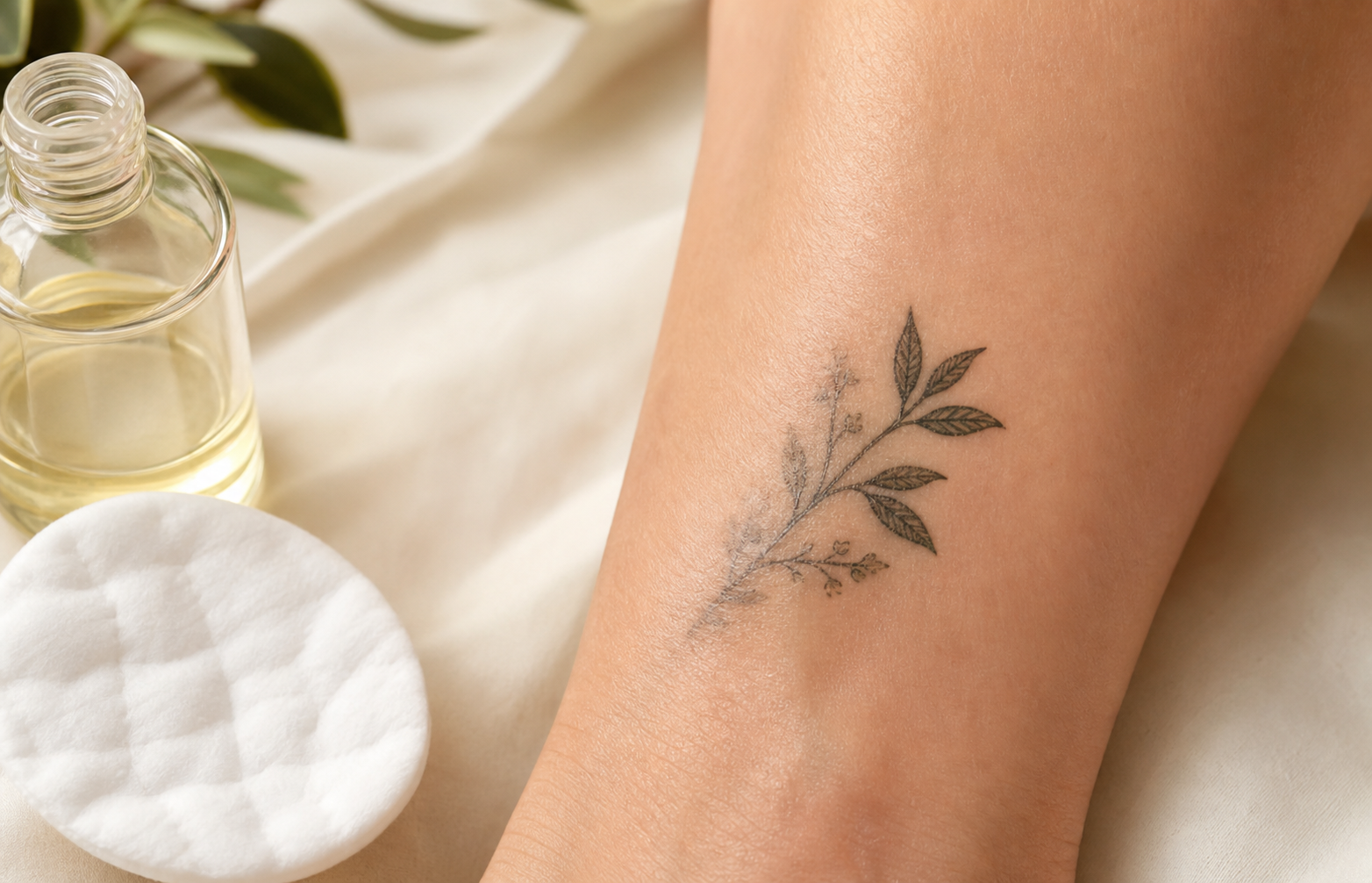
How to Tell When It Is Time to Remove One
A temporary tattoo does not need to be kept until every trace is gone. Sometimes removing it gently is better than trying to make a fading design look perfect.
It may be time to remove it if:
- the edges are lifting badly
- the design is cracked across a large area
- the tattoo looks patchy instead of softly faded
- the area feels itchy, sore, or uncomfortable
- you need clean skin for skincare, photos, or another design
If your skin feels irritated, remove the tattoo gently and give the area a break. Do not scrub aggressively just to get every last bit of pigment off.
Frequently Asked Questions
How long do temporary tattoos stay on?
Standard water-transfer temporary tattoos usually stay on for a few days. A realistic range is often about 2 to 5 days, while some products may last closer to 3 to 7 days in better conditions. Placement, friction, oil, water exposure, and skin type all affect the result.
How Long Do Adult Temporary Tattoos Last?
Adult temporary tattoos usually last the same few days as comparable water-transfer designs marketed more generally. The adult label describes the style or audience, not a longer-wear technology. Application quality, placement, friction, oil, and water exposure matter more than the audience label.
How Long Does a Water-Transfer Temporary Tattoo Sticker Last?
A standard water-transfer temporary tattoo sticker usually looks good for a few days. A realistic planning range is often about 2 to 5 days, with longer wear possible in favorable conditions. Treat any broader range on a package as conditional rather than guaranteed.
How Long Does a Gold Temporary Tattoo Last?
A gold temporary tattoo also usually lasts a few days, but the metallic finish may show rubbing or edge wear sooner than a flat printed design. There is no universal gold-tattoo duration; use the specific product instructions and judge wear by placement, friction, oil, and water exposure.
Can a temporary tattoo last a week?
It can happen, especially on low-friction areas with careful application and gentle wear, but a full week should be treated as a best-case result rather than a promise. For standard temporary tattoo stickers, plan around a few days of good wear.
Why did my temporary tattoo come off in one day?
Common reasons include oily skin, lotion before application, placing the tattoo on a high-friction area, moving it during transfer, rubbing it with clothing, long soaking, or touching it before it dried fully.
Can I shower with a temporary tattoo?
Usually, yes, if the tattoo transferred cleanly and has dried. The safer approach is to keep showers normal length, avoid scrubbing the tattoo, and pat the area dry instead of rubbing it with a towel.
Does lotion make temporary tattoos fade faster?
Heavy lotion, body oil, and oil-based products can make a temporary tattoo fade or lift faster, especially if they are rubbed directly over the design. If you want the tattoo to last, moisturize around it rather than over it.
How do I make a temporary tattoo look good for an event?
Apply it to clean, dry skin on a smooth area with low friction. Let it transfer fully, peel the backing paper slowly, and give it time to dry before touching, dressing, or applying sunscreen nearby.
Is it better to remove a fading temporary tattoo or leave it?
If the tattoo is softly fading and still looks fine, you can leave it. If it is cracked, patchy, lifting, or irritating your skin, it is better to remove it gently and start fresh.
The Takeaway
So, how long do temporary tattoos last? For standard water-transfer temporary tattoos, expect a few days of wear, often around 2 to 5 days depending on placement, skin type, and daily friction. Some tattoos may last longer in ideal conditions, but the best result comes from setting realistic expectations.
Apply the tattoo to clean, dry skin. Choose a low-friction placement. Let it dry before touching it. Keep oils and heavy rubbing away from the design. And when it starts to fade past the point you like, remove it gently instead of scrubbing your skin.
A temporary tattoo is meant to be beautiful, playful, and low-commitment. The goal is not to make it last forever. The goal is to help it look good for the moments you want to wear it.
What the guide images show
Key visual information is repeated below as text so the design, scale, placement, and process do not depend on images alone.
- Fresh botanical temporary tattoo on clean skin.
- Temporary tattoo placement areas that affect wear time.
- Fading temporary tattoo ready for gentle removal.