
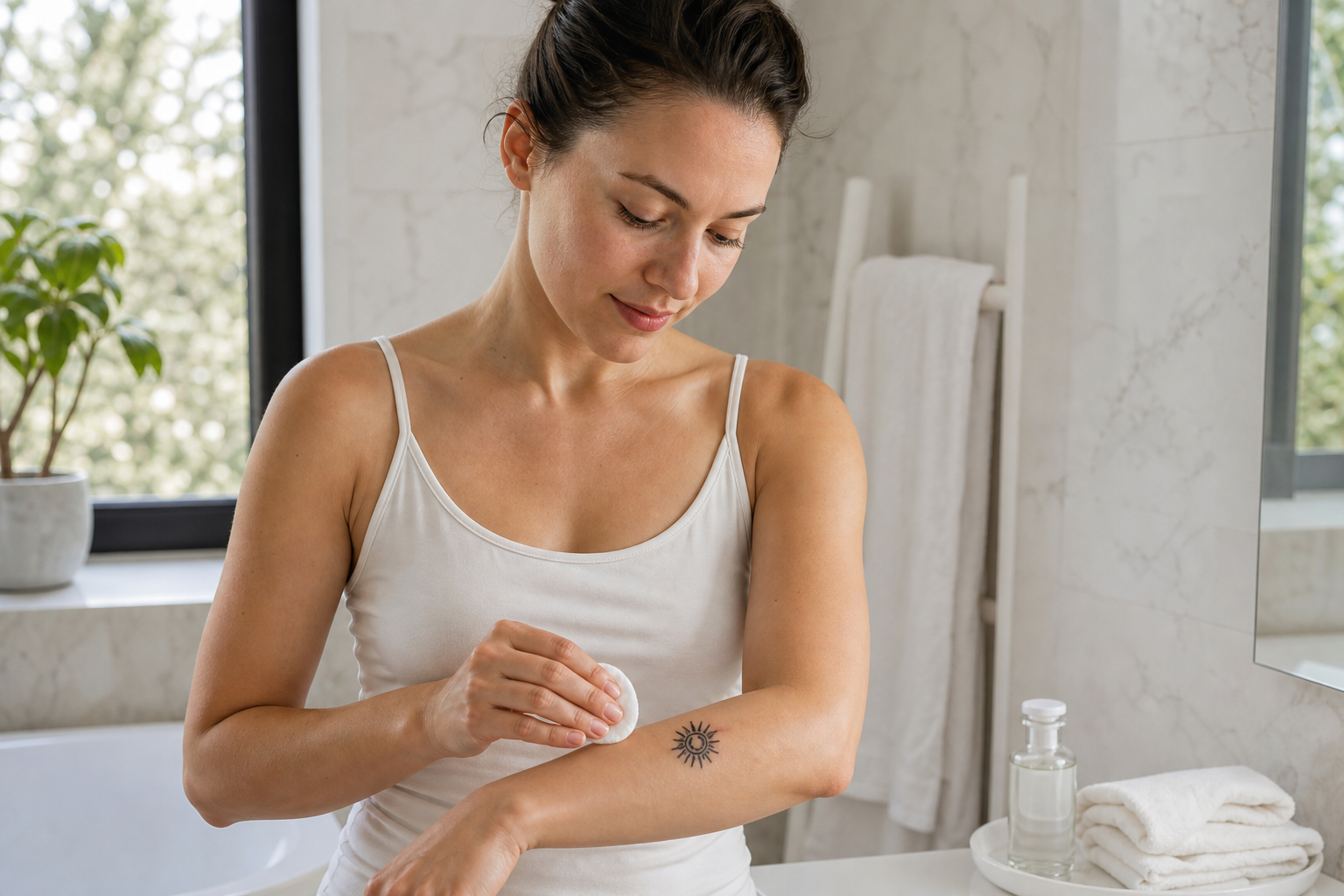
If you need a temporary tattoo gone quickly, the safest approach depends on what kind of tattoo you are dealing with. A standard water-transfer or decal tattoo usually sits on the surface of the skin, so it can often be removed with common makeup remover, micellar water on a cotton pad, or baby oil. A longer-wear semi-permanent tattoo is different. Instead of acting like a sticker on top of the skin, it can stain the outermost layer, which means it may need time and gentle fading rather than one fast wipe.
That difference matters. A lot of skin irritation happens when people assume every temporary tattoo should come off the same way and then keep rubbing when it does not. If you want fast removal without ending up with red, sore skin, the goal is not to use the strongest method first. The goal is to match the removal method to the product on your skin.
Quick Answer: What Removes a Temporary Tattoo Fastest?
For a standard temporary tattoo, the fastest gentle option is usually a common makeup remover used with cotton pads, makeup remover wipes, or micellar water on a soft cotton pad. These products help break down the surface layer of the tattoo without forcing you to scrub too hard. Baby oil can also work well, especially for larger designs or stubborn leftover residue.
Choosing your next temporary tattoo?
Shop easy-to-change temporary tattoos
If you are removing one temporary tattoo so you can try another look, start with standard water-transfer sheets that are simple to apply, style, and remove gently when the moment is over.
Best for readers who want a fresh look after removing an old design.
If the tattoo does not fade much after one or two gentle passes, it may not be a standard surface decal. Some long-wear semi-permanent temporary tattoos are designed to stain the outermost layer of skin, so they usually fade gradually instead of coming off right away with regular remover.
First, Figure Out What Type of Temporary Tattoo You Have
Before you try to remove anything, take a closer look at the product and how it behaves on the skin.
A standard temporary tattoo usually looks like a classic transfer decal. It is applied with water, sits on top of the skin, and may start lifting at the edges after friction, oil, or showering. These are usually the easiest to remove quickly.
A semi-permanent temporary tattoo usually develops over time and tends to look more like a stain in the skin than a glossy sticker on top. Some brands describe these products as using plant-based dyes that interact with the outer layer of skin, so they do not always wipe off in one session.
Henna and so-called black henna are a separate category again. They should not be treated exactly like regular decal tattoos, especially if the skin feels irritated, itchy, or hot.
How to Remove a Standard Temporary Tattoo Fast at Home
If your tattoo is a typical surface temporary tattoo, this order usually gives the best balance of speed and skin comfort.
1. Start with makeup remover or micellar water
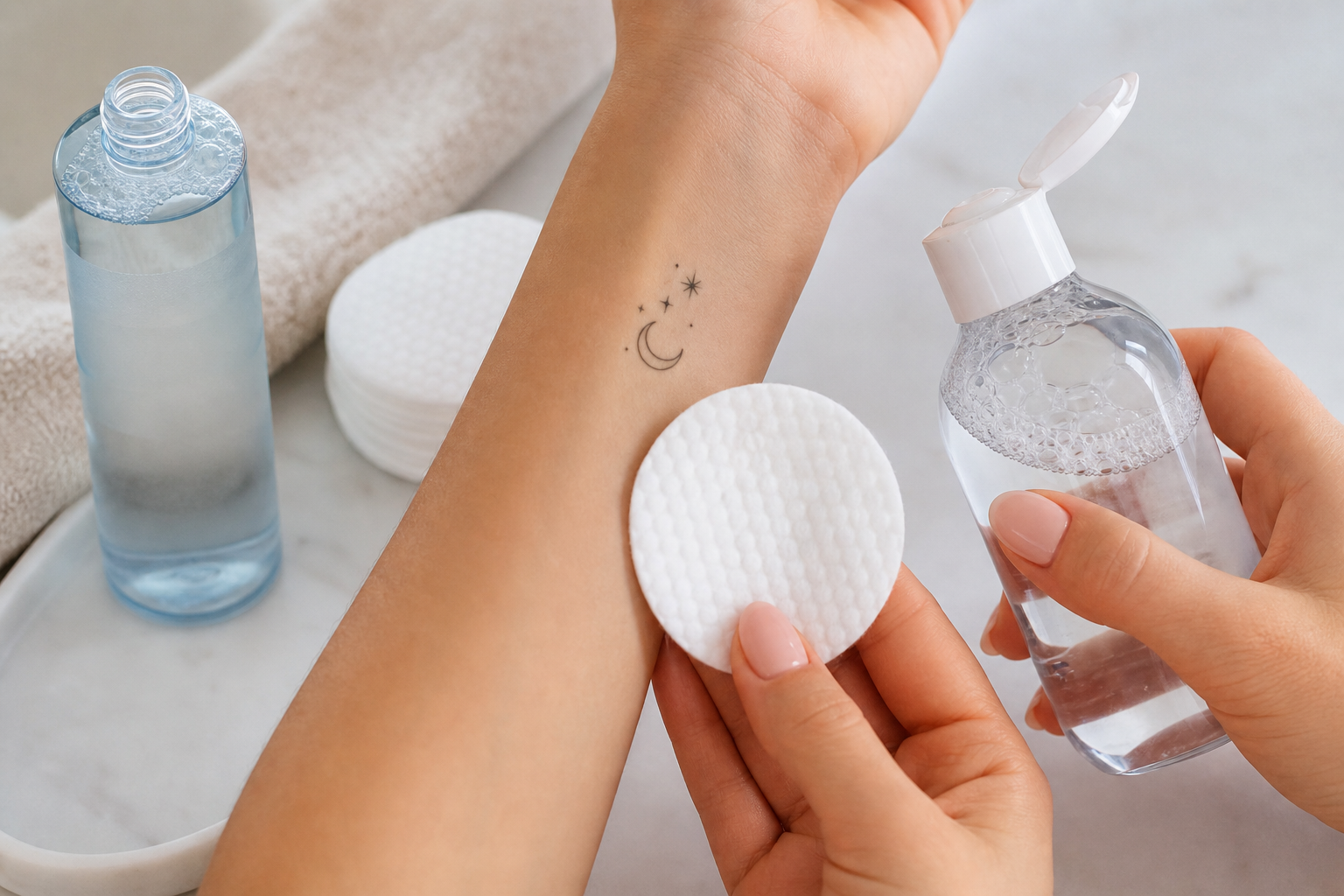
For most people, this is the easiest first step because these are familiar, skin-friendly products already used around the face and body. Soak a cotton pad with makeup remover or micellar water, press it onto the tattoo for several seconds, and then wipe gently. If you are using a makeup remover wipe, let it sit briefly before wiping instead of rubbing immediately.
This approach works best for fresh or lightly worn transfer tattoos that are still sitting on the surface of the skin.
2. Switch to baby oil if residue is still clinging to the skin
If the first pass removes part of the design but leaves a stubborn film behind, baby oil is often a good second step. Apply enough to fully coat the tattoo, wait a few seconds, and then wipe with a soft cotton pad or washcloth. The oil helps loosen adhesive-like residue and can reduce the temptation to over-scrub.
3. Use gentle pressure, not aggressive friction
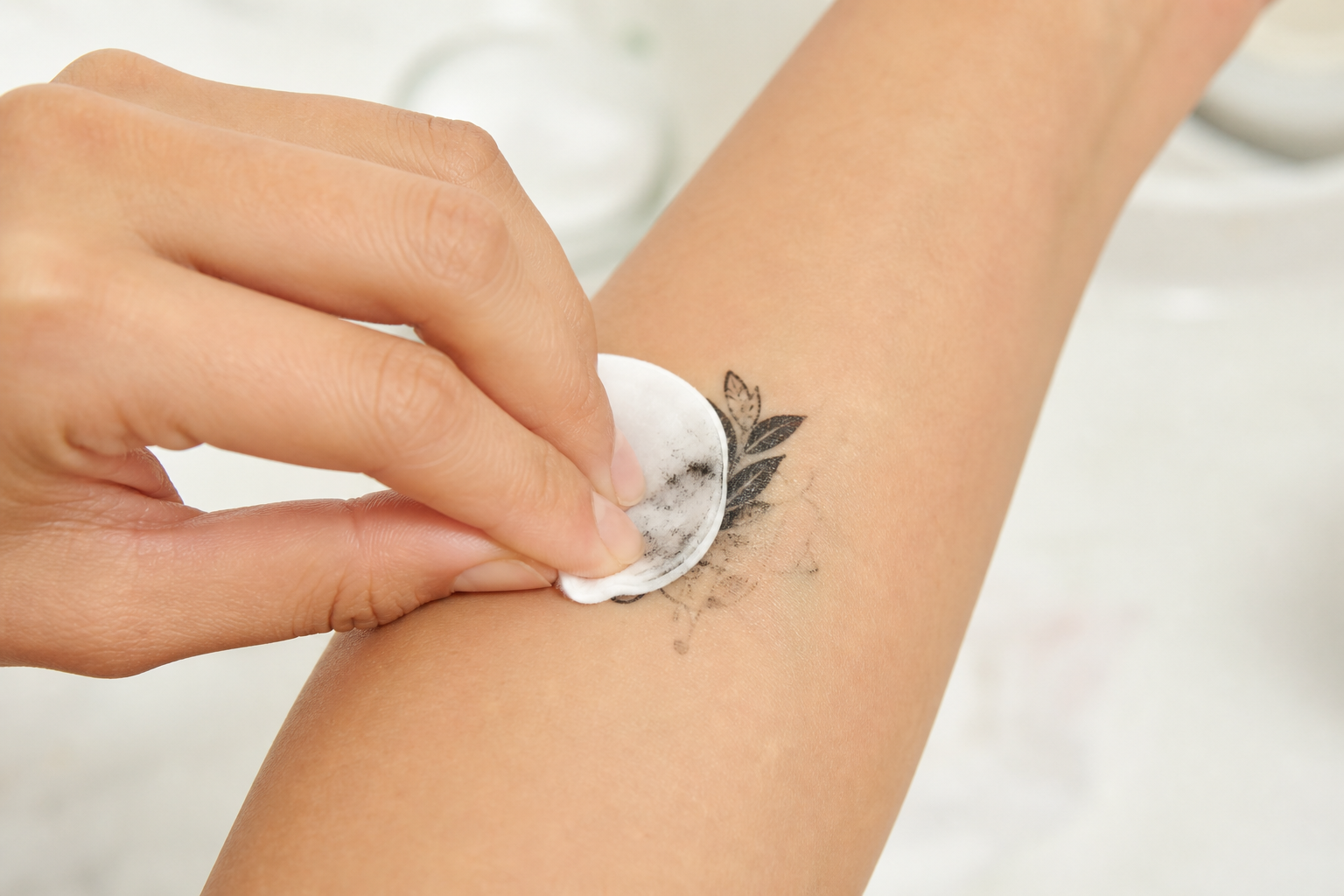
Once the remover has had time to work, wipe the tattoo away using light pressure. If it does not fully come off, repeat the same step once more. In many cases, a second gentle pass works better than one harsh attempt.
This is where many people accidentally irritate their skin. If you scrub too hard too early, you can end up with redness even when the tattoo would have come off with a little more patience.
4. Use a stronger follow-up only if you still have leftover residue
If a faint layer is still clinging to the skin, you can try a small amount of rubbing alcohol on a cotton pad for the remaining residue. This can work on standard decals, but it is usually harsher than makeup remover or oil-based methods, so it should not be your first move on dry, sensitive, or already-irritated skin.
For tiny leftover bits of a surface decal, a piece of transparent household tape may help lift the residue. This works best on small areas and is not a good option for facial skin, irritated skin, or hairy areas.
5. Rinse and moisturize
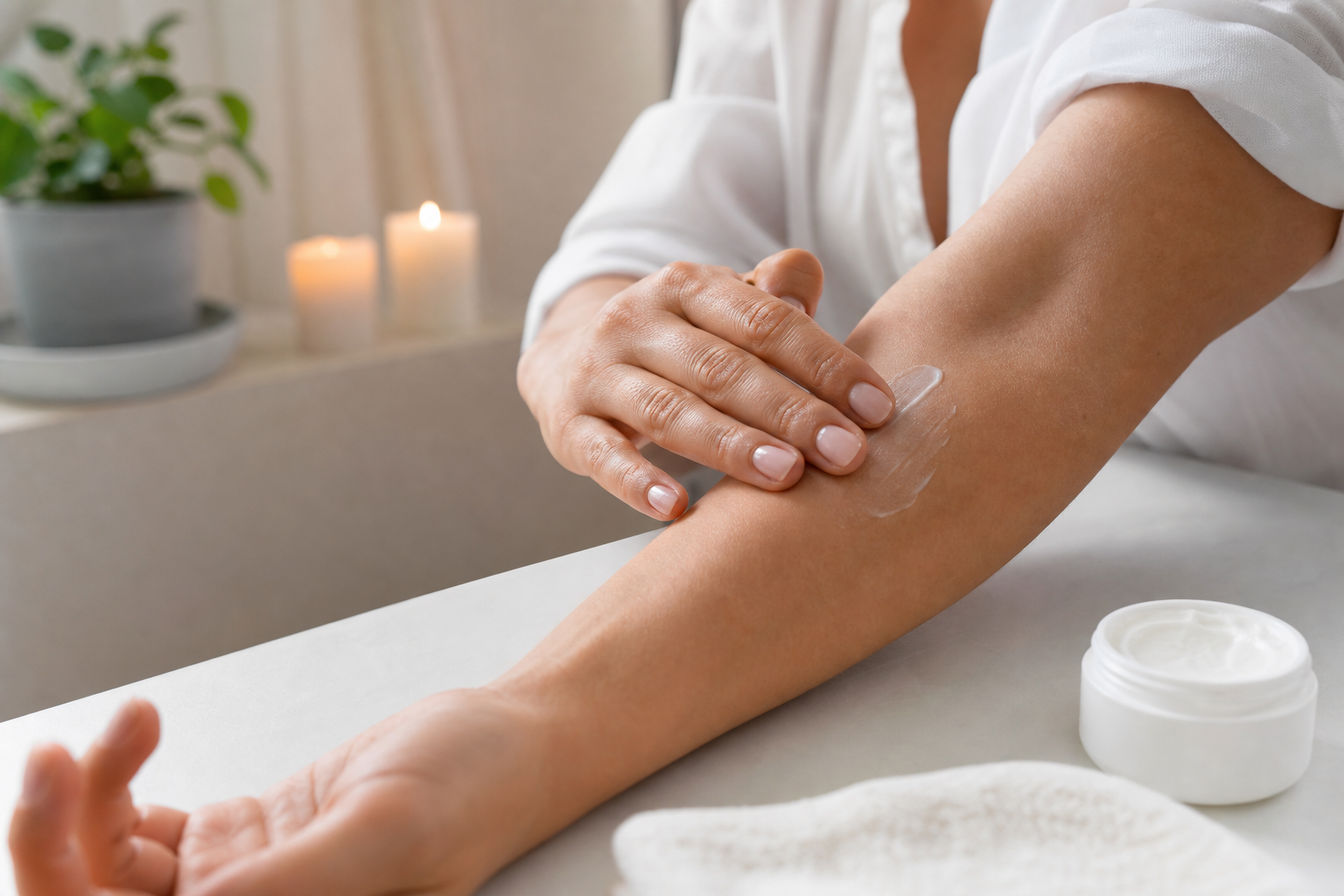
Once the tattoo is off, rinse the area with lukewarm water and apply a simple moisturizer. Even gentle removal creates some friction, and your skin barrier recovers better if you rehydrate it right away.
How to Remove a Temporary Tattoo Without Irritating Your Skin
If your skin is sensitive, the safest removal plan is to go slower, not harsher.
Start with the mildest method first. That usually means micellar water, a gentle makeup remover, or baby oil rather than repeated rubbing with alcohol. Use a soft cotton pad or soft washcloth. Keep the water lukewarm, not hot. Hot water can make already-sensitive skin feel more reactive.
If you are tempted to exfoliate, keep it very light. A washcloth is often enough. Mechanical scrubs can be too much for sensitive skin, and strong exfoliating acids are not something to improvise with just because you want the tattoo gone faster. The American Academy of Dermatology recommends gentle exfoliation, lukewarm water, and moisturizer afterward to help reduce the risk of irritation.
It is also smart to think about what is already on your skin. If the area is sunburned, broken, freshly shaved, or irritated from retinoids, benzoyl peroxide, or other active skincare products, do not push it. Give the skin a break and use the gentlest option available.
What Works Best on the Face or Other Delicate Areas?
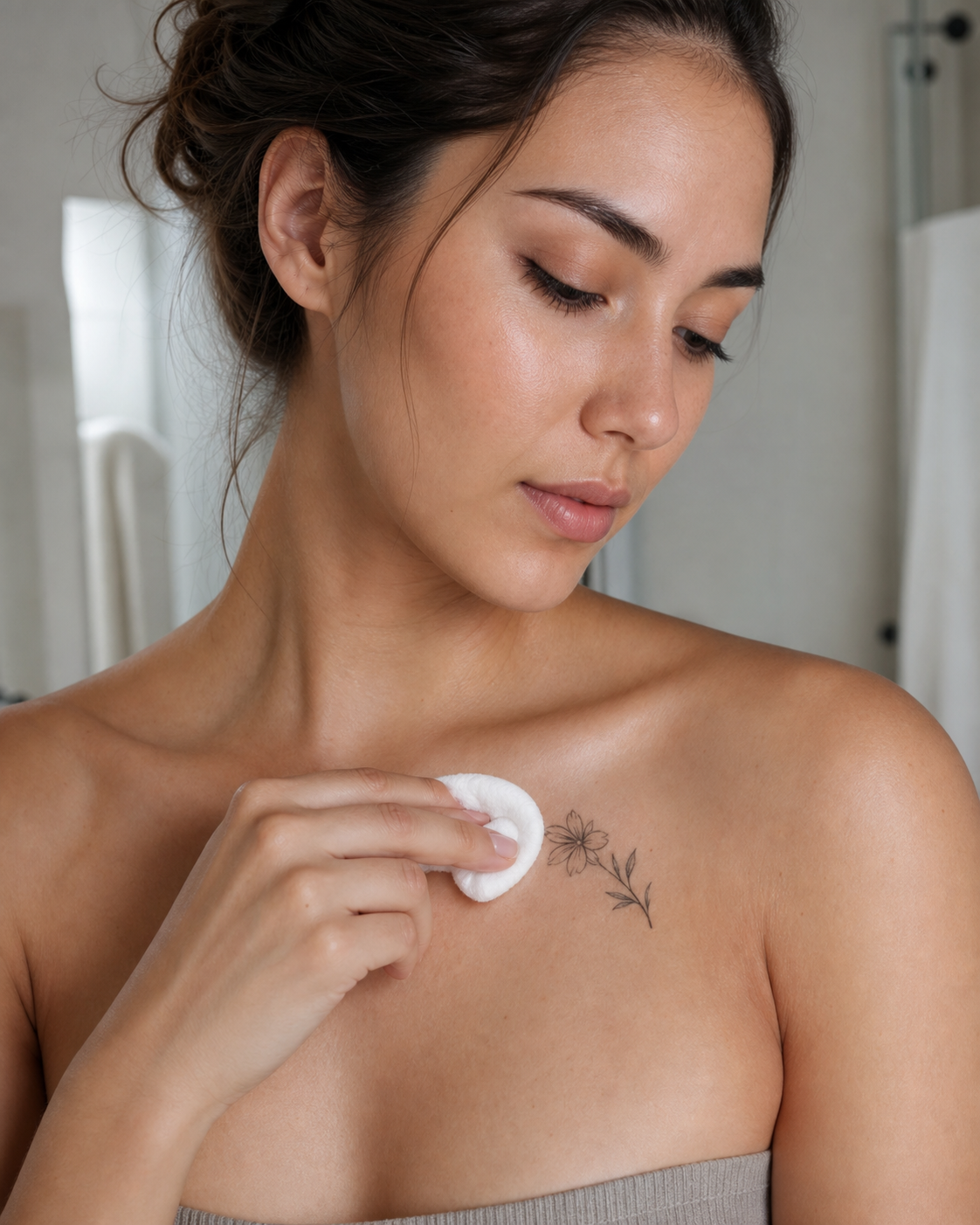
Temporary tattoos on the face, collarbone, inner arm, or other delicate areas need a lighter touch.
For these spots, an oil-based makeup remover, micellar water, or baby oil on a cotton pad is usually a better choice than rubbing alcohol. Press, hold, and wipe gently. Avoid tape, harsh scrubs, or repeated friction. Also keep removers away from the eyes and do not use them on broken skin.
If the tattoo is near the eye area, less is more. It is better to remove it slowly over two gentle passes than to overwork the skin all at once.
Some Semi-Permanent Temporary Tattoos May Need a Different Removal Method
This is the part many shoppers do not realize until they try to remove a long-wear tattoo the same way they would remove a standard transfer tattoo.
Some long-lasting semi-permanent temporary tattoo products may use plant-derived colorants, including jagua- or gardenia-related dye ingredients depending on the brand, so they can behave more like a stain than a sticker. In practical terms, that means they may stay visible in the outermost layer of skin instead of wiping away quickly with regular remover.
If your product label mentions semi-permanent wear, gradual color development, plant-based dye, jagua, or similar long-wear claims, check the brand instructions before trying to force fast removal. These products often need a different expectation and a different approach. For example, Inkbox explains that its semi-permanent tattoos fade rather than wipe off immediately and recommends waiting for natural skin turnover before using gentle exfoliation to speed the process.
Why some long-wear tattoos do not come off easily
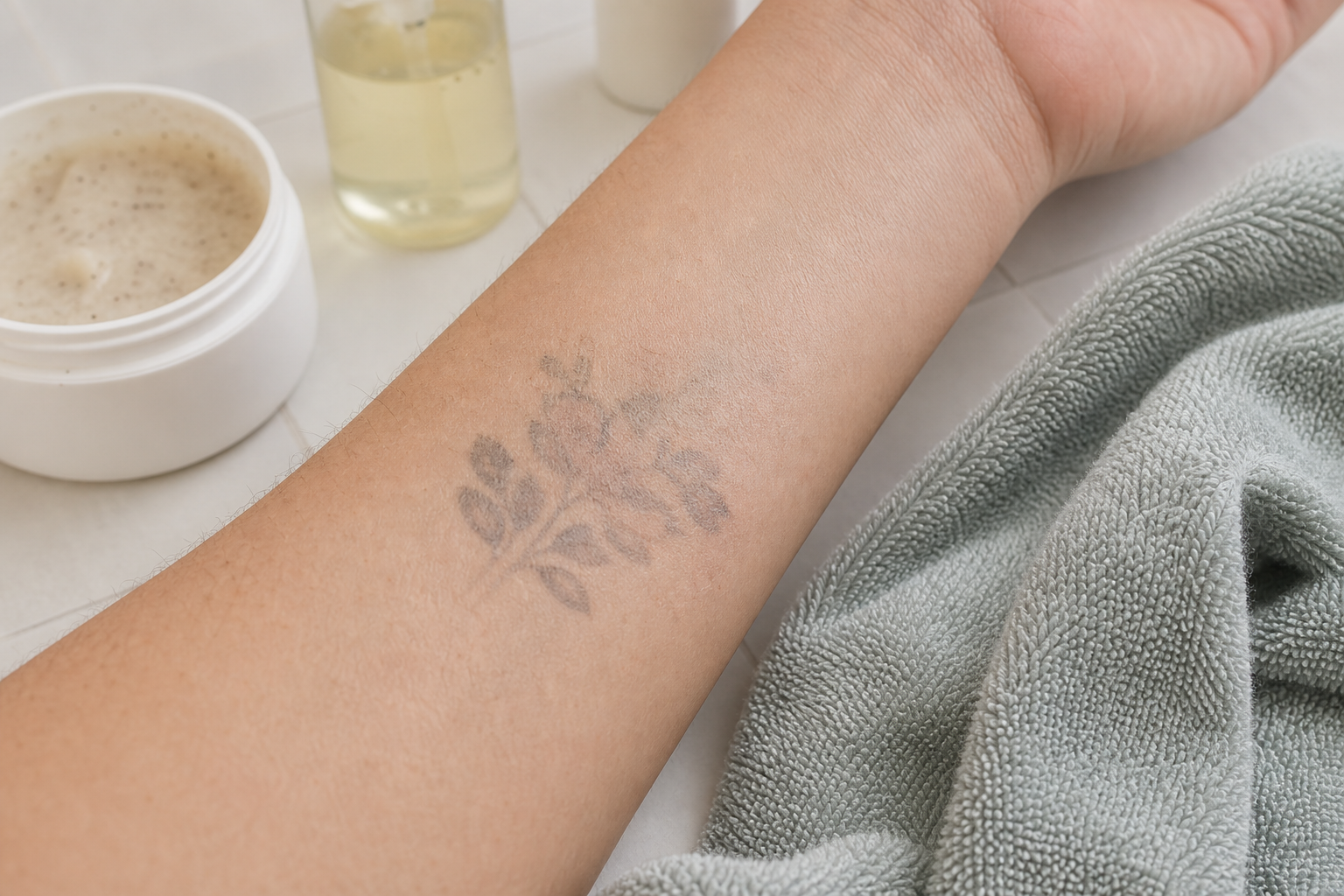
With a standard temporary tattoo, you are mainly dealing with a printed layer on top of the skin. With a semi-permanent formula, the color may develop within the dead surface cells of the skin. That is why makeup remover may clean the surface but leave the design visible.
What to do instead
If you are dealing with a semi-permanent tattoo, the realistic goal is to speed fading safely, not force instant removal. Gentle exfoliation over time may help. A soft washcloth, a mild body scrub, and normal cleansing can gradually reduce the visible color as the outer layer of skin sheds naturally. Harsh scrubbing usually creates more irritation than progress.
If the area starts to sting, burn, or feel raw, stop. More force does not mean faster removal. It usually just means a damaged skin barrier.
What Not to Use
If your priority is fast removal without irritation, avoid the common mistakes.
- Do not use acetone, bleach, or household cleaning products on skin.
- Do not keep rubbing until the skin turns pink or shiny.
- Do not exfoliate over cuts, razor burn, eczema, or sunburn.
- Do not assume that if makeup remover did not work immediately, the answer is to jump straight to something much harsher.
- Do not treat every long-wear tattoo as if it should peel away in one session.
That last point is especially important for semi-permanent products. In those cases, patience usually works better than escalation.
What If It Is Henna or Black Henna?
If what you have is a henna-style design rather than a standard temporary tattoo, be extra careful.
The U.S. Food and Drug Administration has warned that products marketed as black henna may contain ingredients such as PPD that can trigger serious skin reactions in some people. Standard decal removal advice does not really address that risk.
If you have itching, burning, swelling, blisters, or a rash in the shape of the design, stop trying to remove it by friction alone. Wash the area gently and get medical advice, especially if the reaction is getting worse.
When to Stop and Give Your Skin a Break
Home removal should not become a skin-repair problem.
Stop and switch to gentle aftercare if the area becomes very red, painful, swollen, or starts to feel stripped. Wash off any remover, use a simple moisturizer or occlusive balm, and leave the skin alone for a while.
If the reaction is severe, if blistering appears, or if the tattoo was near the eyes or another high-risk area, it is better to get professional advice than keep experimenting.
Frequently Asked Questions
How do you remove a temporary tattoo fast?
For a standard surface temporary tattoo, makeup remover, micellar water, or makeup remover wipes are usually the fastest gentle options to try first. If residue remains, baby oil can help loosen what is left.
Does micellar water remove temporary tattoos?
Yes, it can help remove many standard temporary tattoos, especially smaller or newer ones. It is often a good first step because it is gentler than alcohol-based removal.
Can baby oil remove temporary tattoos?
Yes. Baby oil can work well on many standard temporary tattoos, especially when there is leftover adhesive-like residue after the first wipe.
Why is my temporary tattoo not coming off?
The most common reason is that it is not a simple surface decal. Some semi-permanent temporary tattoos stain the outer layer of skin and need time plus gentle fading instead of one quick wipe.
Can semi-permanent temporary tattoos be removed right away?
Usually not completely. Many are designed to fade gradually as the outermost layer of skin renews itself. Gentle exfoliation may help speed that process, but aggressive scrubbing is not the answer.
What is the gentlest option for sensitive skin?
Start with micellar water, a gentle makeup remover, or baby oil, use a soft cotton pad or cloth, rinse with lukewarm water, and moisturize afterward. Avoid harsh scrubs, hot water, and repeated friction.
Final Takeaway
If you want to remove a temporary tattoo fast without irritating your skin, the best rule is simple: match the method to the tattoo. Standard temporary decals usually come off best with makeup remover, micellar water, makeup remover wipes, or baby oil used with a soft wipe. Long-wear semi-permanent tattoos often need a different expectation, because they may stain the outer layer of skin and fade rather than peel away.
In other words, fast removal is possible in many cases, but safe removal matters more than force. If the skin starts fighting back, stop pushing and change your approach.
Shop easy-to-change temporary tattoos
If you are removing one design so you can try another, start with water-transfer temporary tattoo stickers that are simple to apply, style, and remove gently.