
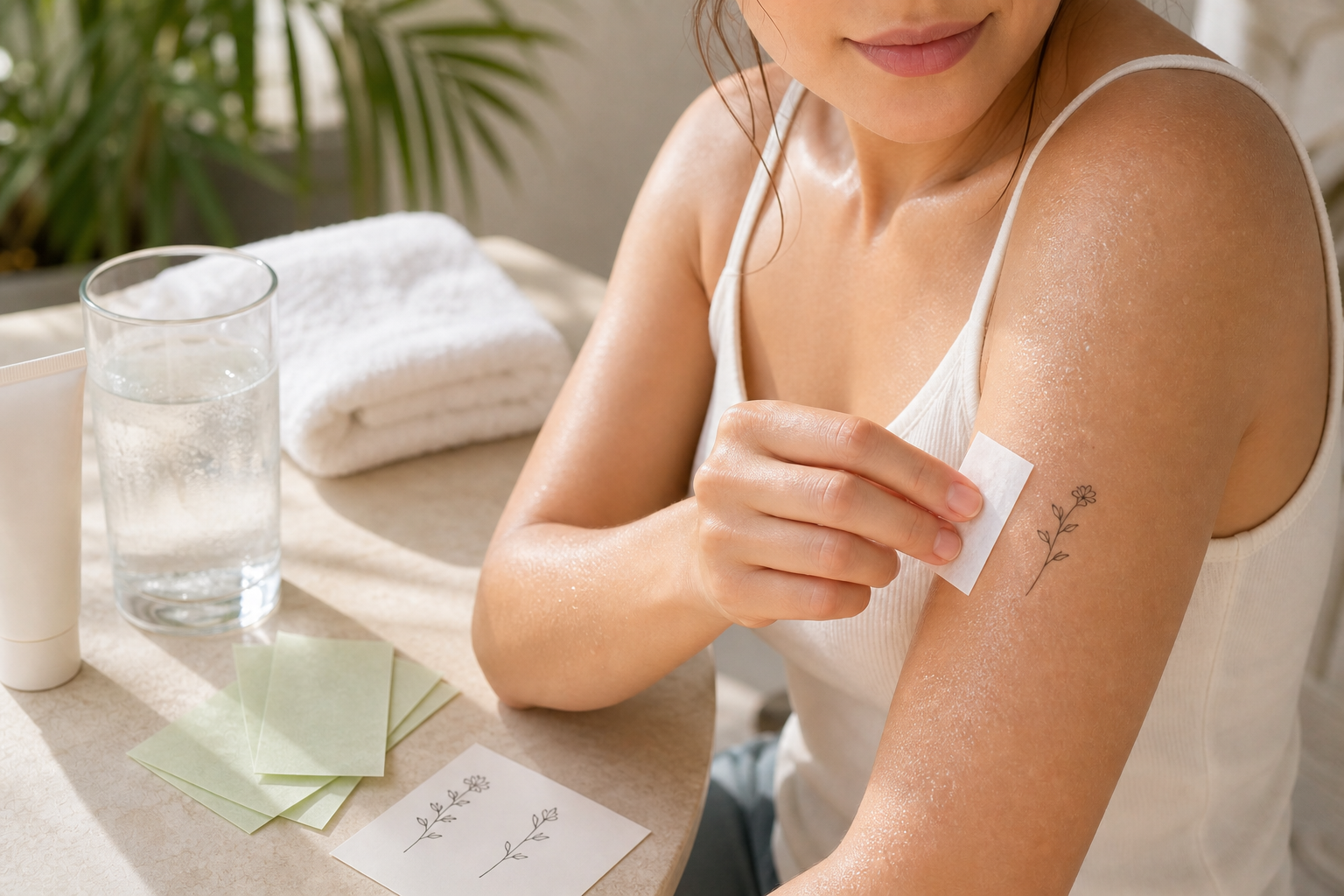
Yes, oily skin can affect temporary tattoo adhesion in summer, but the answer is more specific than “oily skin is bad for temporary tattoos.”
The real issue is the surface layer on your skin at the moment of transfer. If there is oil, sweat, sunscreen, lotion, body shimmer, or makeup between the tattoo and your skin, the design may not transfer evenly. The edges may look soft, the image may lift sooner, or part of the tattoo may stay on the paper backing.
If your skin is naturally oily, you can still wear a temporary tattoo. The goal is simple: make the application area clean, dry, and free of surface oil before you apply it.
Quick Answer: Does Oily Skin Affect Temporary Tattoo Adhesion?
Oily skin can make temporary tattoos harder to apply if the skin surface is oily during application. But oily skin type by itself does not mean a temporary tattoo will fail.
Temporary tattoos need close contact with the skin while the design transfers. TemporaryTattoos.com explains that water-transfer tattoos are applied with water and a wet cloth, and that skin should be dry and free of oil, lotion, and makeup before application.
That is the key. The tattoo does not know whether you have oily skin, dry skin, or combination skin. It only reacts to the surface it touches.
If the surface is clean and dry, you have a much better chance of getting a clean transfer. If the surface is slick, sweaty, or covered in sunscreen, adhesion becomes less predictable.
The Real Problem Is the Surface Layer
Think of a temporary tattoo as needing a clear path to the skin. Anything sitting on top of the skin can interrupt that path.
In summer, that surface layer often comes from:
- natural oil
- sweat
- sunscreen
- body lotion
- body oil
- shimmer or glow products
- makeup residue
- saltwater or pool water left on the skin
Some of these products are useful for skin comfort or sun protection, but they are not a great base for a temporary tattoo. A slick or damp layer can keep the design from bonding evenly.
This is why a tattoo may look patchy even if you followed the basic steps. The problem may not be the tattoo sheet. It may be what was on the skin before the sheet touched it.
Why Summer Makes This More Noticeable
Summer does not automatically ruin temporary tattoos. It just adds more variables.
Hot weather can make skin oilier. Sweat can appear while you are still applying the tattoo. Sunscreen may leave a flexible film on the skin. Clothing straps, beach cover-ups, towels, and swimwear can rub the same area repeatedly.
The combination matters more than any one factor. A little sweat may not destroy a temporary tattoo. Oil plus sweat plus towel rubbing is much harder on the design.
If you are applying a tattoo before a beach day, festival, outdoor party, or vacation dinner, give the skin a few calm minutes first. Let sweat settle. Dry the area. Apply the tattoo before layering sunscreen or shimmer directly on that spot.
How to Prep Oily or Sweaty Skin Before Applying
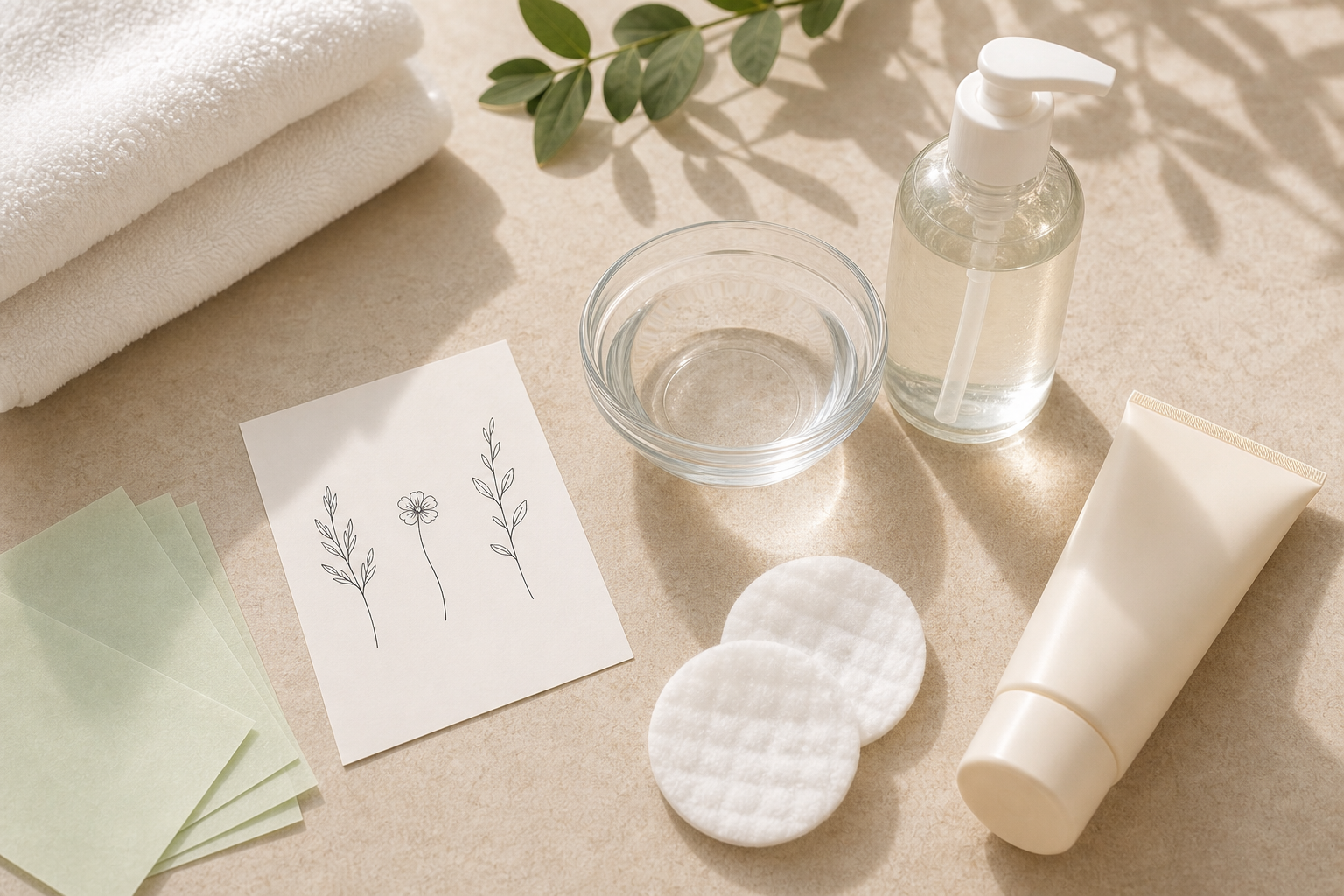
The best prep is simple. You do not need harsh alcohol, scrubbing, or complicated products.
First, clean the area gently. If you just applied lotion, body oil, or sunscreen, choose another spot or wash that product off the exact area where the tattoo will go.
Dry the skin completely. This matters more than it sounds. If the skin still feels damp from water, sweat, or a towel, wait a little longer.
If you are outside and starting to sweat, move to shade or air conditioning for a few minutes before application. Press the area with a clean tissue or towel. Do not rub hard, because friction can make skin feel irritated before the tattoo is even on.
Once the skin feels clean, dry, and non-slippery, apply the tattoo using the regular method. For the full step-by-step process, use our guide on how to apply a temporary tattoo.
What Not to Have Under the Tattoo
The most common summer application problem is not oiliness alone. It is applying the tattoo over another product.
Try not to apply a temporary tattoo directly over:
- body oil
- fresh body lotion
- rich moisturizer
- creamy sunscreen
- glow oil
- dewy body shimmer
- heavy makeup residue
- active sweat
These layers can make the surface too slick or unstable. The tattoo may still partly transfer, but the result may look weaker than expected.
Sunscreen is worth calling out separately. You still need sun protection, especially outdoors, but sunscreen is not the ideal layer under a temporary tattoo. The American Academy of Dermatology notes that some sunscreens are water resistant, but no sunscreen is waterproof or sweatproof. If you are using sunscreen, it is usually better to apply the tattoo to clean, dry skin first, let it dry, and then apply sunscreen carefully around the design.
After Application: What Makes Edges Lift Faster
Once the tattoo is on, oily skin can still matter if the area becomes slick and then gets rubbed.
The biggest edge-lifting triggers are:
- wiping sweat with a towel
- rubbing the design with fingers
- applying body oil over the tattoo
- putting sunscreen directly over the tattoo and rubbing it in
- wearing tight straps over the design
- swimming and then towel drying firmly
The tattoo may handle normal summer wear better if you treat it like a thin surface design. Let it dry. Do not keep touching it. Avoid oily products on top of it. When you dry the area, pat instead of rubbing.
For the complete wear-care plan beyond oily or sweaty skin, see our guide to making temporary tattoos last longer.
Will Festival Temporary Tattoos Smudge from Sunscreen and Sweat?
They can lose sharpness faster, but sweat alone does not always ruin them. Sunscreen plus wiping or rubbing is the larger problem. A water-transfer tattoo is more likely to soften, lift at the edges, or fade unevenly than to smear like wet makeup.
If you sweat and then leave the tattoo alone, it may still look fine. If you sweat and repeatedly wipe the design, wear tight clothing over it, or rub sunscreen into it, the edges may lift faster.
This is also why “waterproof” does not mean “friction-proof.” If you want the broader explanation, we cover that in Are Waterproof Temporary Tattoos Really Waterproof?.
For this specific oily-skin question, the practical rule is simple: avoid applying the tattoo while you are actively sweating, and avoid rubbing the tattoo once sweat appears.
Best Places to Apply in Hot Weather
Placement can make summer wear easier.
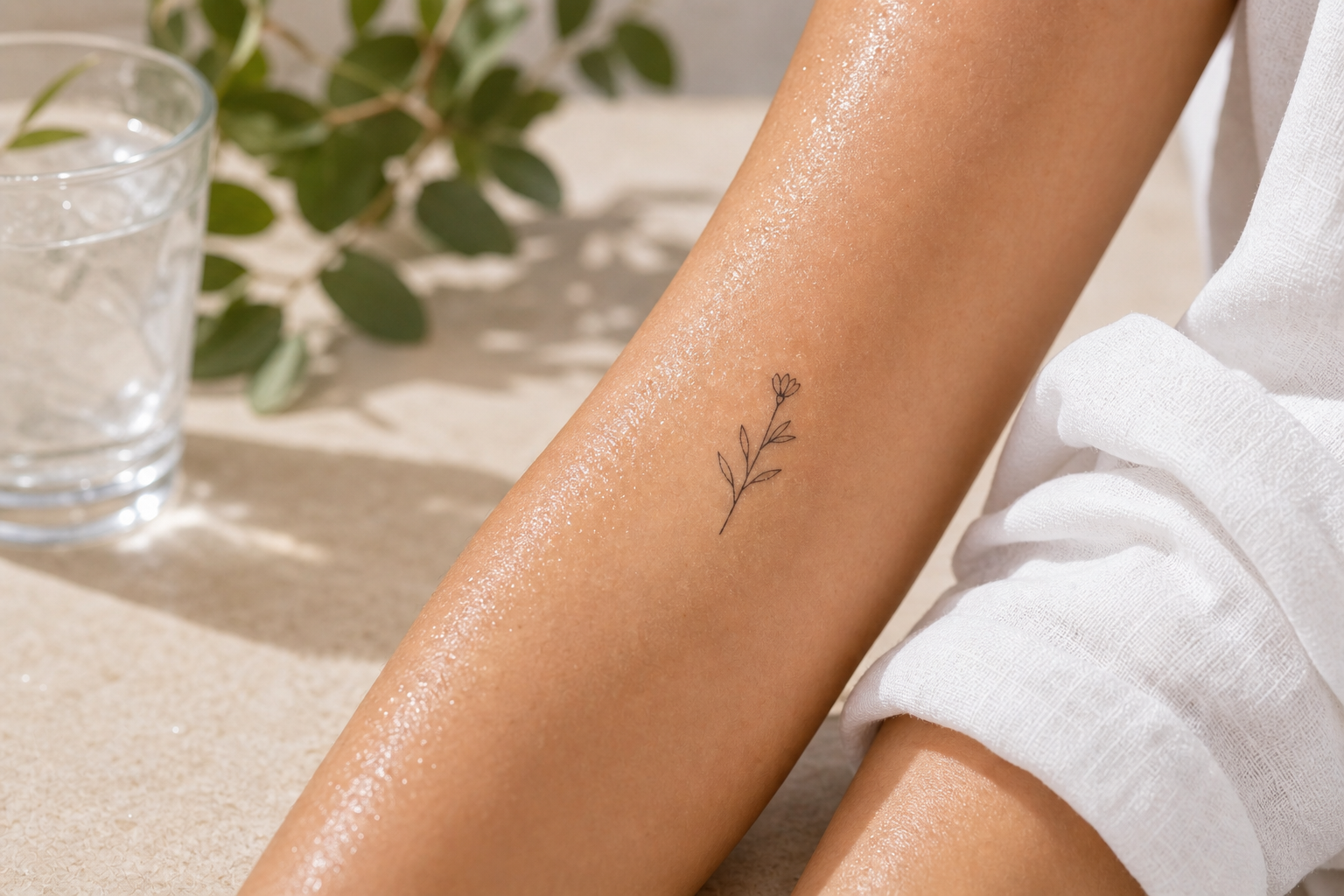
For oily or sweaty skin, choose areas that are smoother, flatter, and less likely to rub against clothing:
- outer upper arm
- shoulder
- collarbone area
- outer forearm
- outer calf
Areas that are harder in hot weather include:
- fingers
- wrist creases
- inner elbow
- neck folds
- ankle areas under socks or straps
- places where swimwear or bag straps rub
The goal is not only to avoid sweat. It is to avoid sweat plus movement plus friction.
Simple Summer Application Checklist
Before applying a temporary tattoo in hot weather, ask:
- Is the skin clean?
- Is the skin fully dry?
- Is there no oil, lotion, or sunscreen under the tattoo area?
- Am I no longer actively sweating?
- Is this a low-friction placement?
- Can the tattoo dry before clothing touches it?
If most answers are yes, you are in a much better position for a clean transfer.
The Bottom Line
Oily skin can affect temporary tattoo adhesion in summer, but oily skin is not the real problem. The real problem is applying the tattoo over oil, sweat, sunscreen, lotion, or another slippery layer.
For the best result, apply the tattoo when the skin surface is clean, dry, and oil-free. Let it dry before touching it or covering it with clothing. After that, avoid rubbing, body oil, and heavy sunscreen application directly over the design.
You do not need perfect skin conditions. You just need a clean moment of contact when the tattoo transfers.
FAQ
Can temporary tattoos stick to oily skin?
Yes. Temporary tattoos can stick to oily skin if the application area is clean, dry, and free of surface oil when you apply them.
Should I use powder before applying a temporary tattoo?
Usually no. A small amount of powder might reduce shine, but too much powder can create another layer between the tattoo and your skin. It is better to clean and dry the skin instead.
Can I apply a temporary tattoo after sunscreen?
It is not ideal. Sunscreen can leave a film that affects transfer. If possible, apply the tattoo to clean, dry skin first, let it dry, then apply sunscreen carefully around it.
What if I sweat right after applying it?
Let the tattoo dry first if you can. If you sweat soon after applying it, avoid wiping or rubbing the design. Pat around it gently instead.
Where do temporary tattoos work better in summer?
Smooth, lower-friction areas usually work better, such as the outer upper arm, shoulder, collarbone area, outer forearm, or outer calf.
What the guide images show
Key visual information is repeated below as text so the design, scale, placement, and process do not depend on images alone.
- Applying a temporary tattoo to clean dry skin in summer.
- Summer skin prep items for temporary tattoo application.
- Temporary tattoo placed on a low-friction summer area.